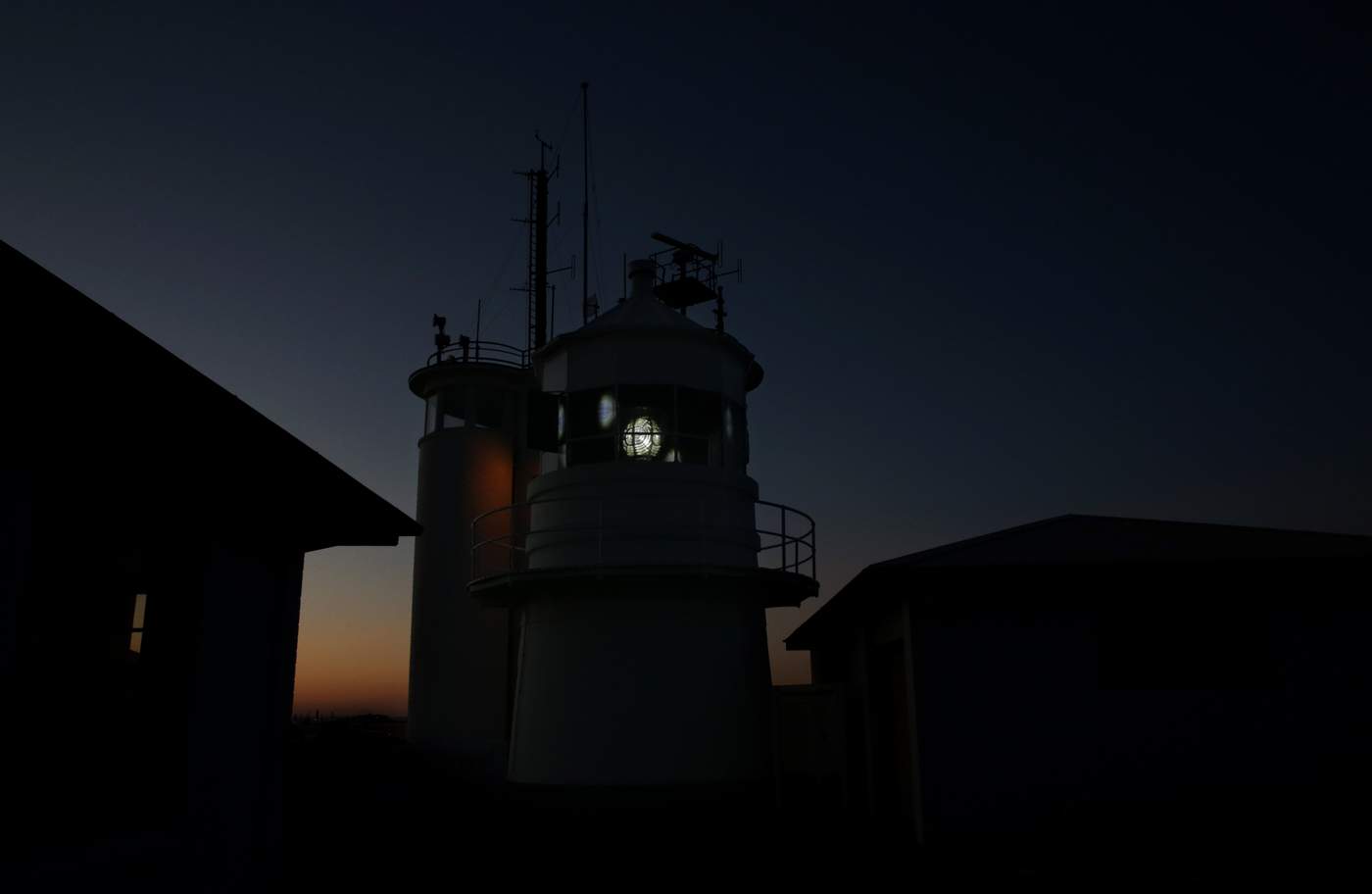
Working harbour
A snapshot of daily life in Newcastle's working harbour.
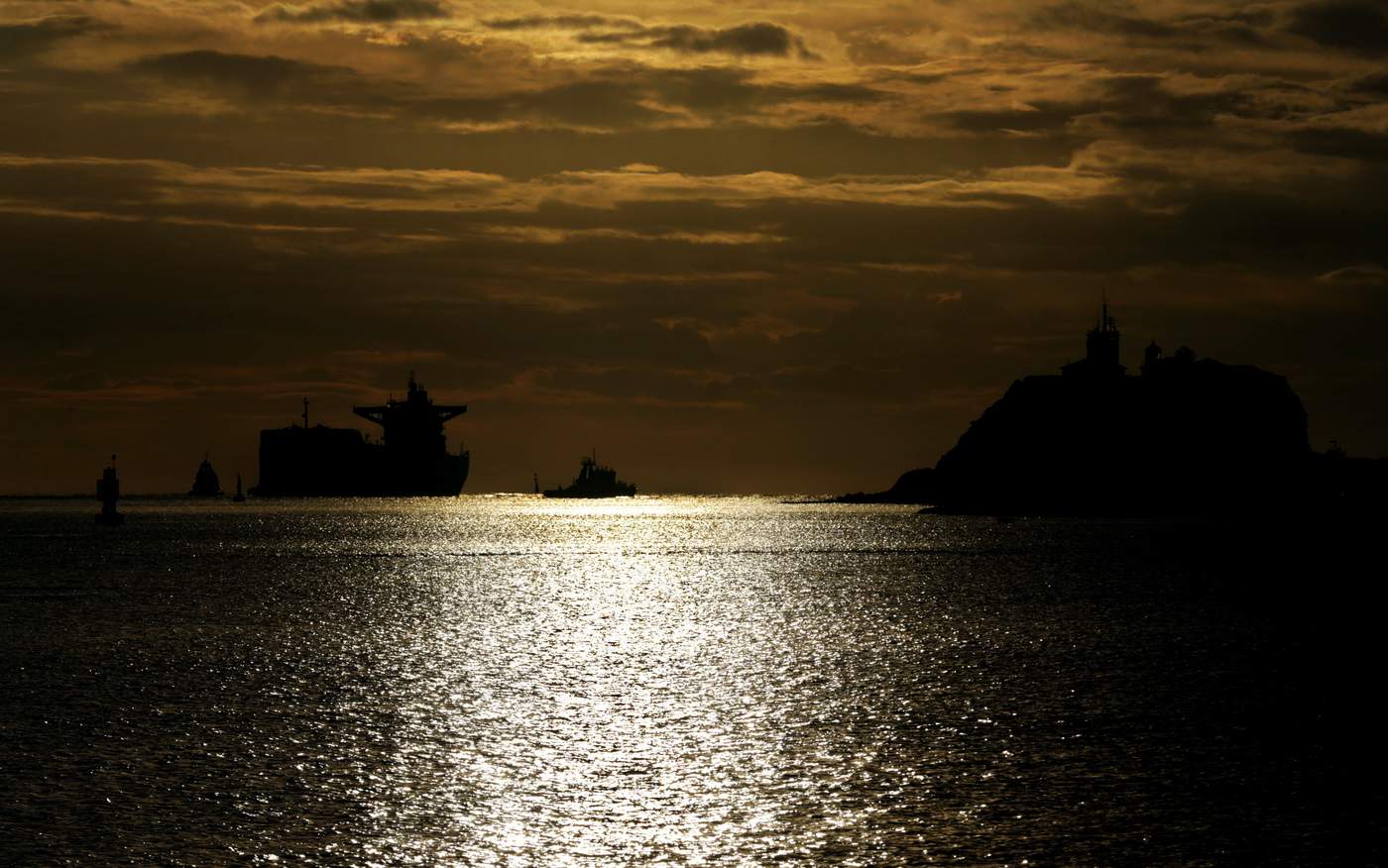

"The mornings on the harbour are the best - you get that light after the sun comes out and it's still calm. There's nothing better," Port of Newcastle CEO Geoff Crowe.
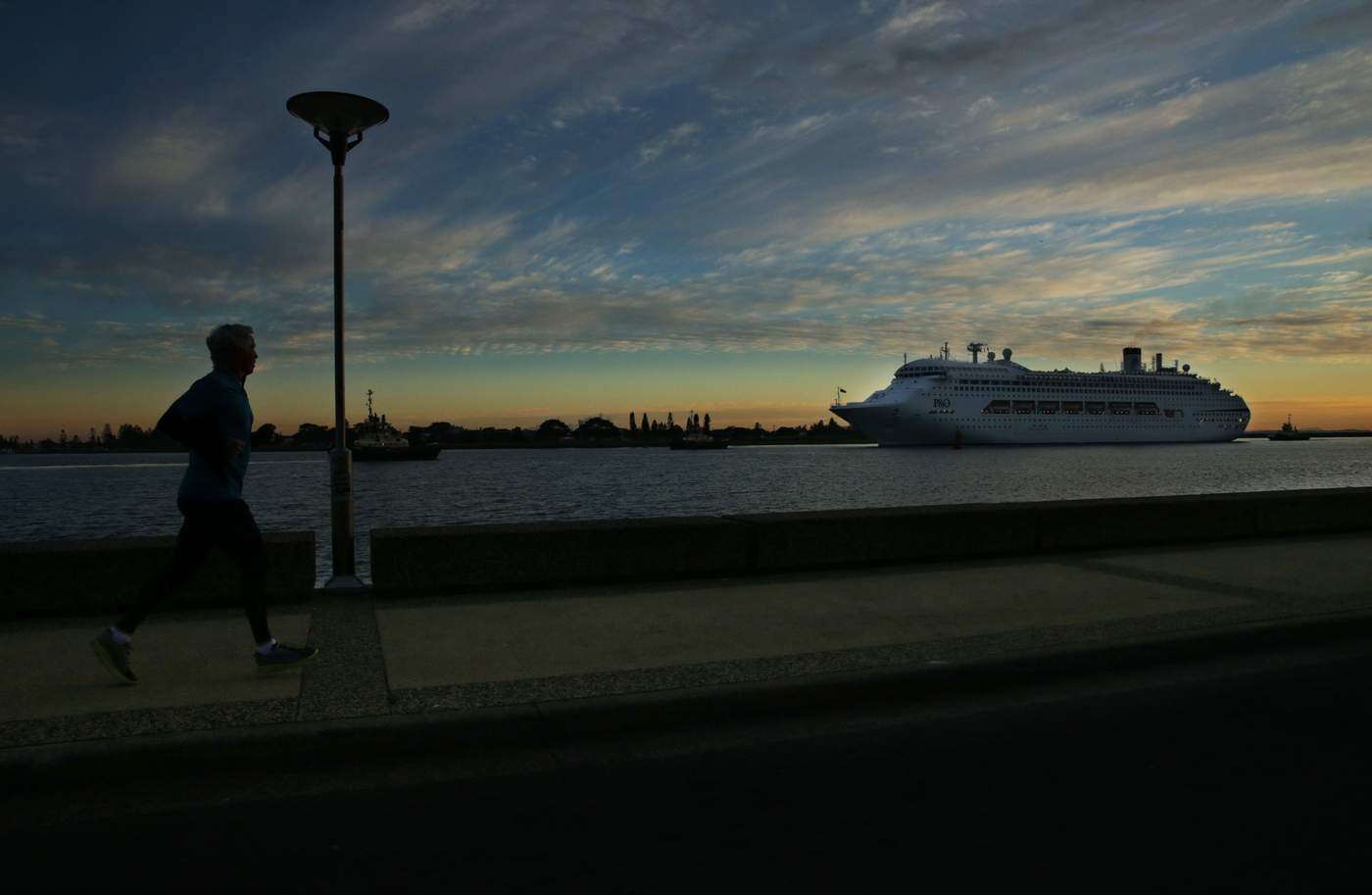
When you think of life on Newcastle harbour, it doesn't sound like an easy one.
It’s wet, cold, dirty and often lonely.
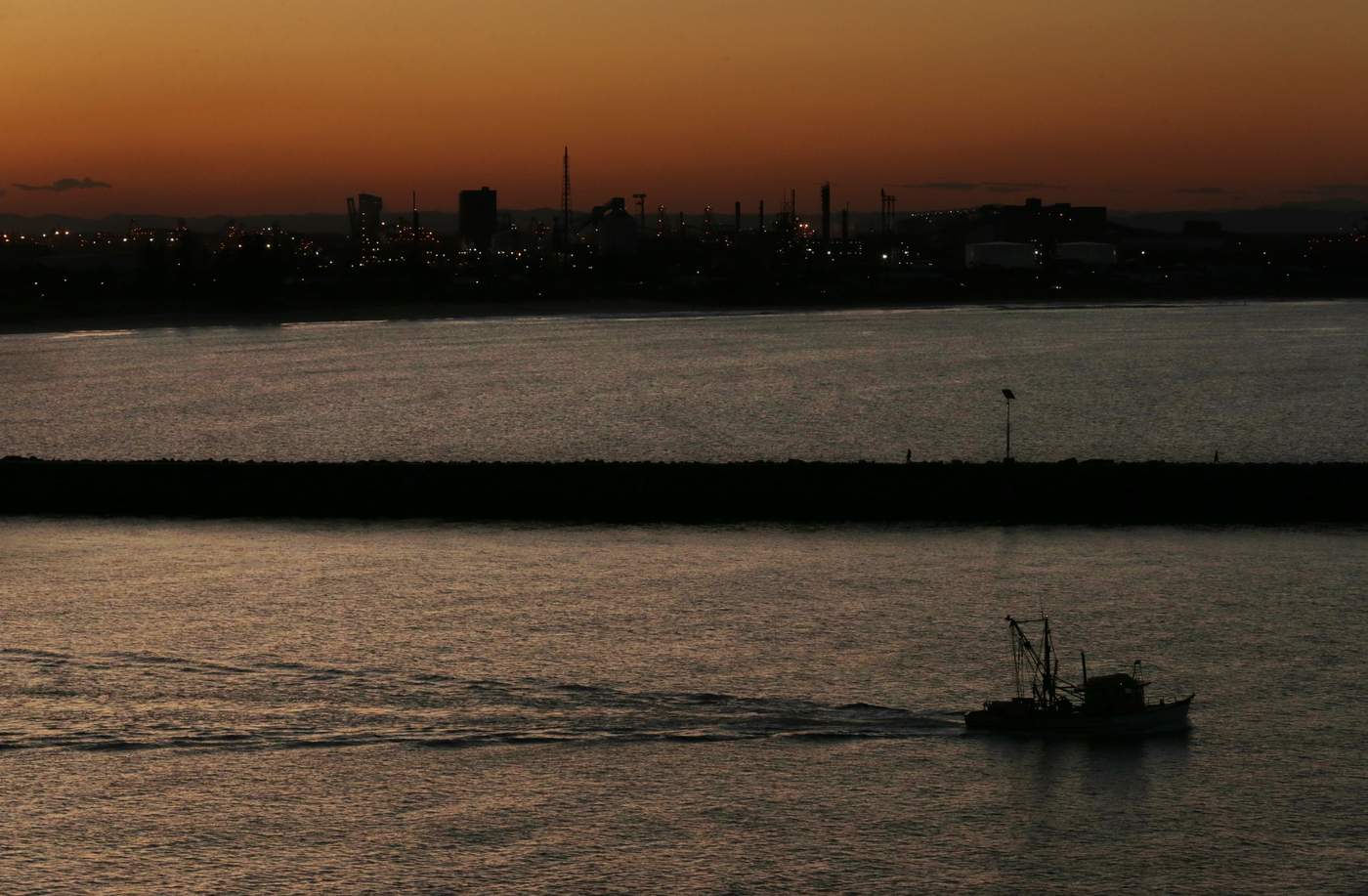
But, for Fullerton Cove fisherman Phil Blanch, there is no better place to be.
And he’s thought that for the 36 years he’s been fishing.
A third generation fisherman himself, Phil says on those freezing, lonely nights it can be hard, but there's something special about being on the water alone, with nothing but fish to keep you company.
"I love the fresh air, the water does something to you. It’s like a campfire you just want to sit and watch," he says.
“You don’t earn no money, but it’s beautiful being out in the water, plus you get to eat fresh seafood."
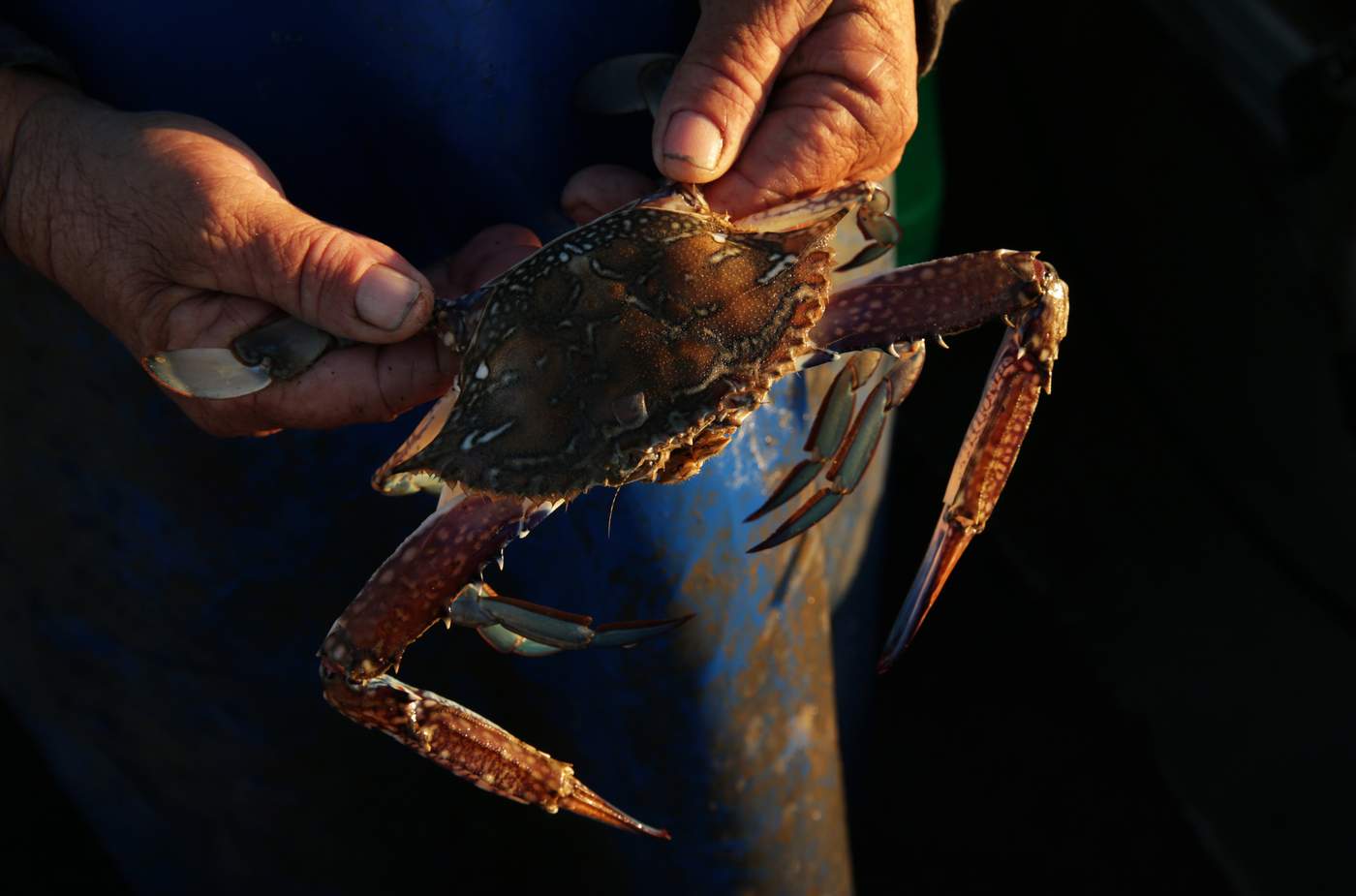
In our harbour, there's a smorgasbord of fish to find, from hairtail, bream, jewfish, flathead and mullet to prawns and blue swimmer and mud crabs.
Phil is a multipurpose fisherman with multiple licenses, allowing him to catch fish, prawns and crabs.
Fishing is like a game, Phil says, you never know who has already been on the water before you.
"It’s a shhh kind of game," he says.
Phil is usually out fishing five days a week. His hours change depending on the season and the tides. He has early morning starts and late night finishes. But, it's a lifestyle he's grown up with and one he loves.
He says it's a different life on the water and every day on the water is different.
Seeing the same stretch of water all day, every day would be tiring for some.
Not for Stockton ferry deckhand Alex Sutherland. He estimates they do at least 100 trips back and forth from Queens Wharf to Stockton a day. The trips are more frequent during the peak time, but every time, it's the same process of getting people on and off the ferry and docking and undocking the boat.
But, for Alex, these are all the reasons he has the best job in the world.
"People always think 'geez, you're going back and forth to Stockton all day, you’ll get bored quickly,' but it’s always changing. There's always something new to see," he says.
As deckhand, he helps people get on and off the ferry, checks tickets, docks and releases the boat and makes sure it's kept clean.
But, there's more to it than just logistics. He takes in the surroundings, analyses Newcastle's changing skyline and admires the sea-swept breeze.
"It makes me feel lucky to live in this town," Alex says.
"I feel lucky to work outside and have such a great view at the same time."
For Alex, it's more than just the scenery he's surrounded by. It's the people he gets to meet.
He says meeting new people is probably his favourite part of the job.
"There's a lot of people you meet and you may only have their attention for a minute, but it’s always nice to converse with them," Alex says.
"It keeps it interesting for me."
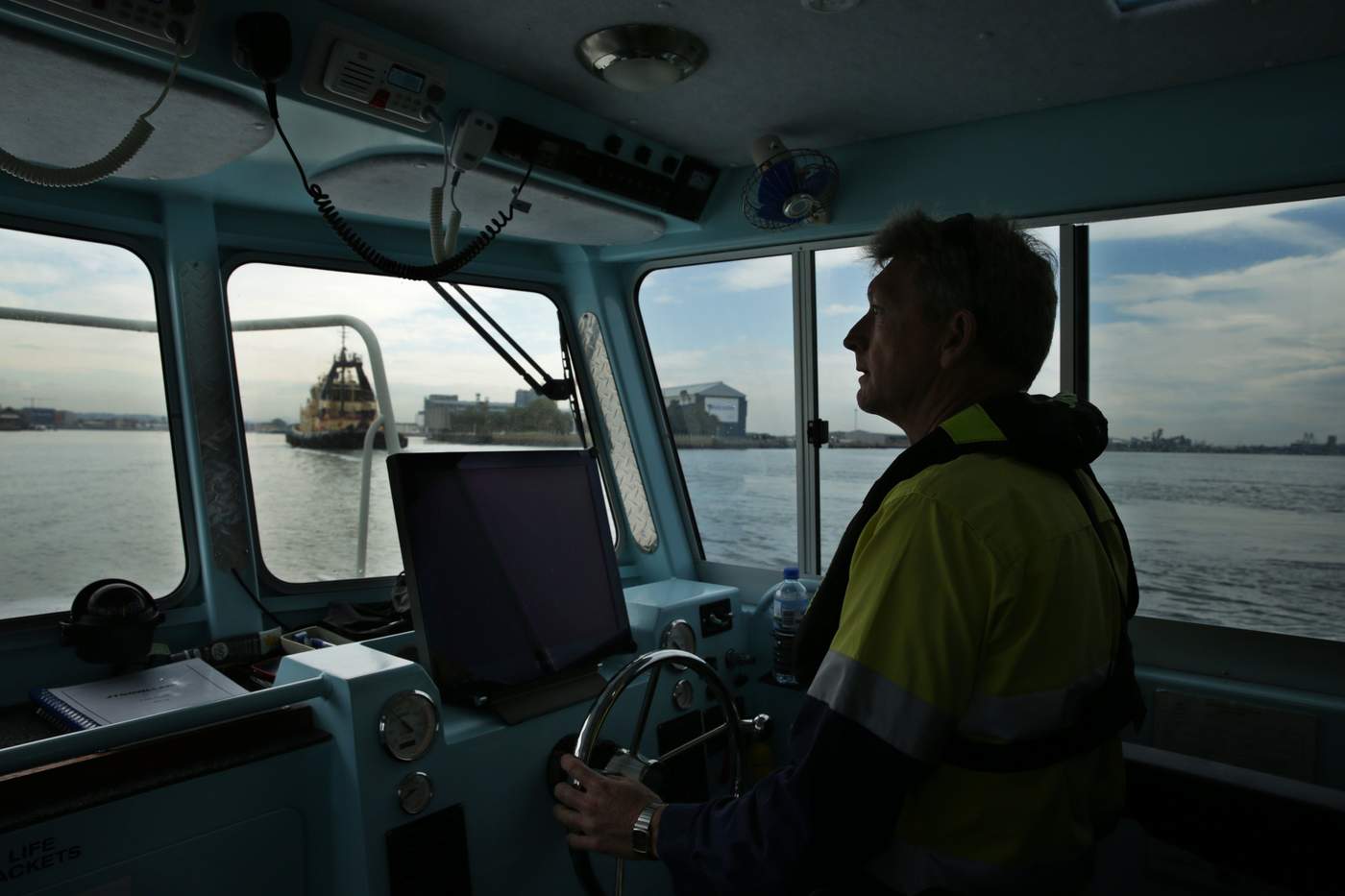
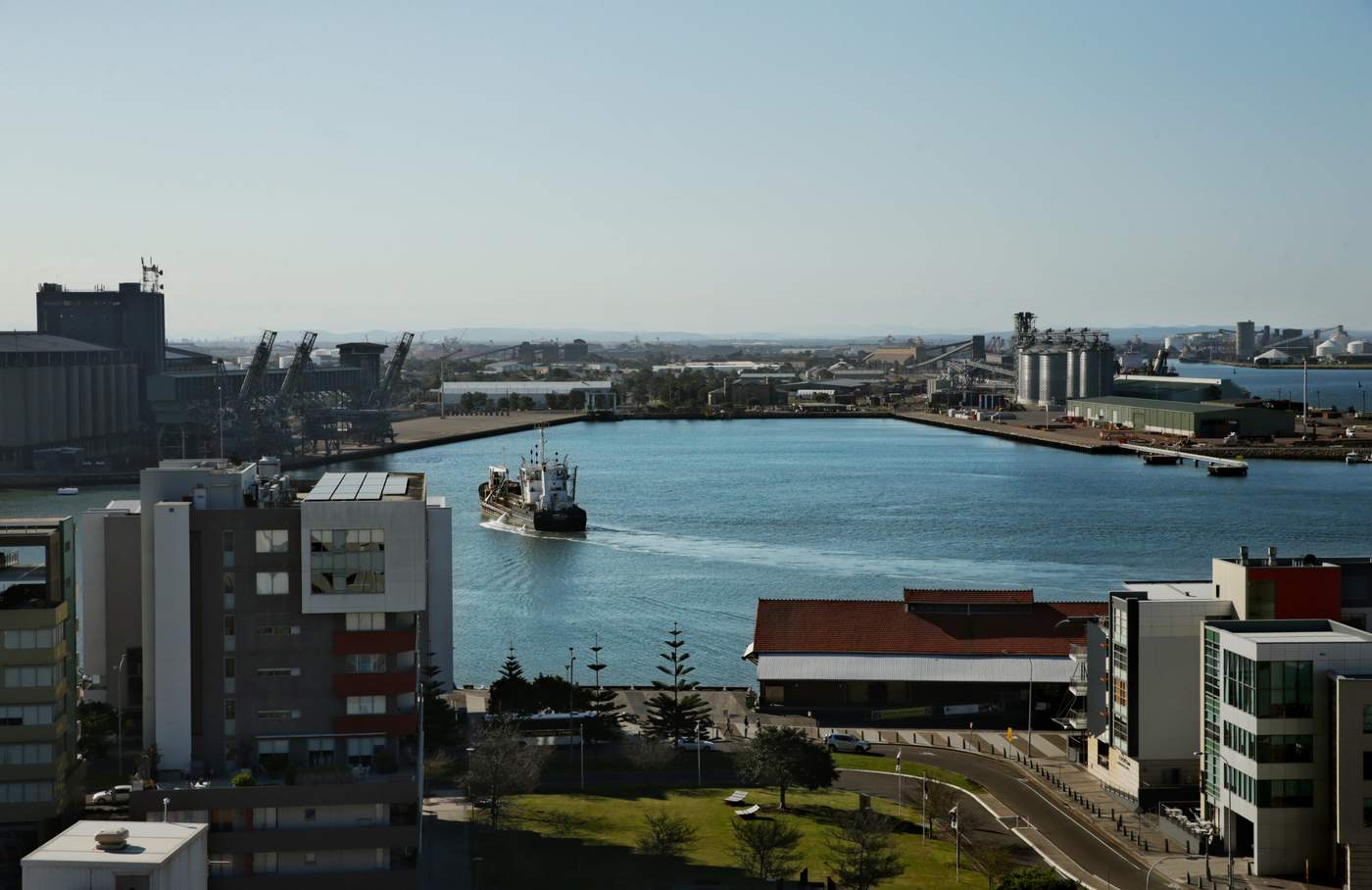
Newcastle harbour has a rich commercial history - 217 years in fact. Today, it handles more than 25 different cargoes and 2169 ships visits annually. It has 20 operational berths. The main channel depth is 15.2 metres.
There's a specialist team that keeps the harbour moving. The Port of Newcastle's hydrographic surveyors play a vital role in maintaining the harbour's health, structure and efficiency.
The Port's executive manager for operations and infrastructure Keith Wilks leads his team of surveyors who complete work that most of us would never see.
"Most people see the river when they look at the harbour, but these guys live under the surface," Keith says.
"And when people stand onshore they think the total expansion of the channel is what they can see, but it’s much more."
Their roles include, but aren't limited to, surveying the harbour floor, completing maintenance dredging, work with port security, scheduling vessel movements, building schedules to meet everyone’s needs, maintaining the harbour's capability to get cargo in and out and looking after port assets.
They use a multibeam echosounder to examine the harbour floor. The high-tech machine uses recent technology to create depth measurements of the floor in a fan manner which releases "pings" of information as the fan spreads out. A 3D image of the surface is produced which the surveyors then analyse.
They're multiskilled multitaskers and without them, the harbour wouldn't run.
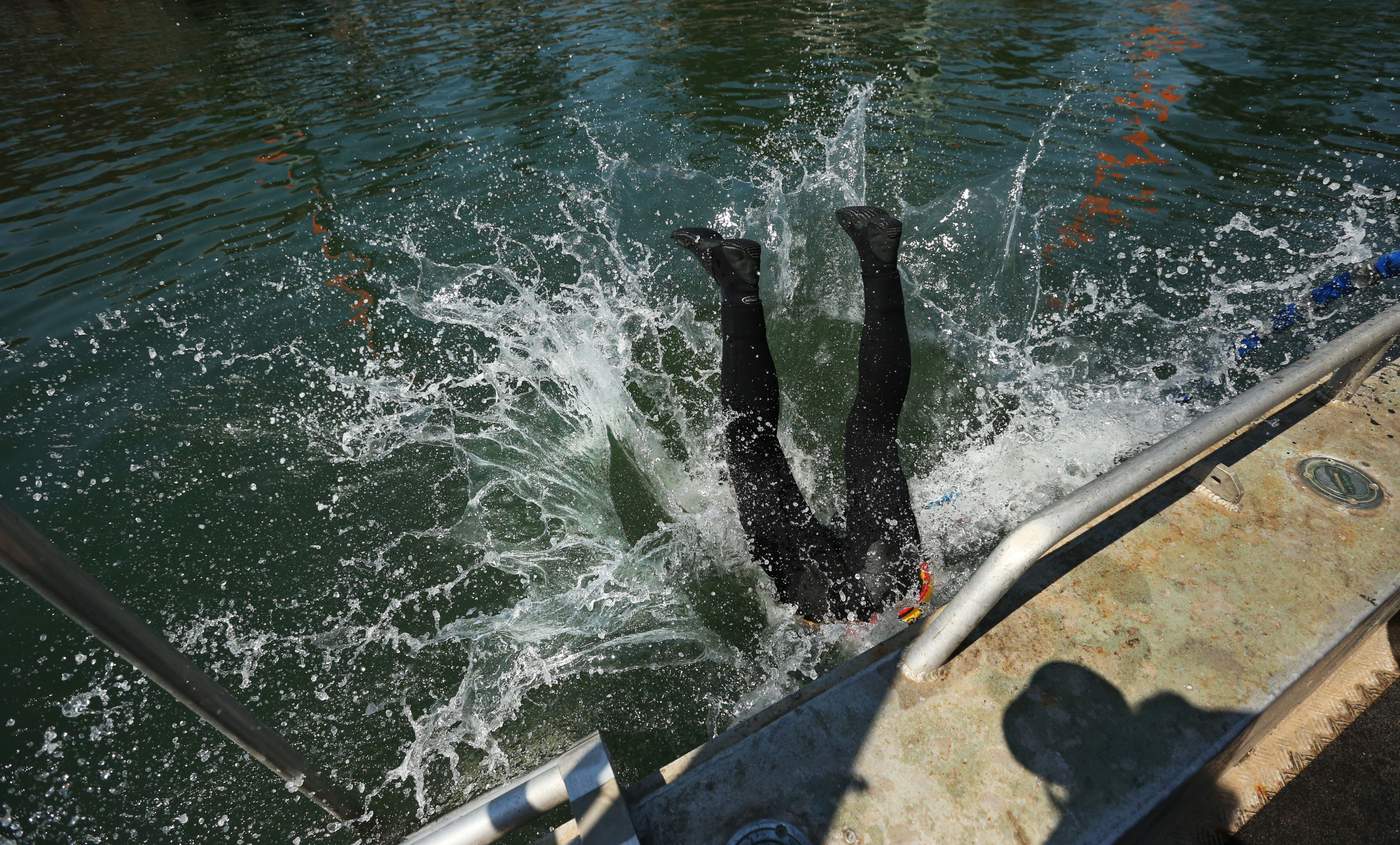
There's a group of men that spend most of their time underwater in the harbour. They've probably seen more of the port than anyone else.
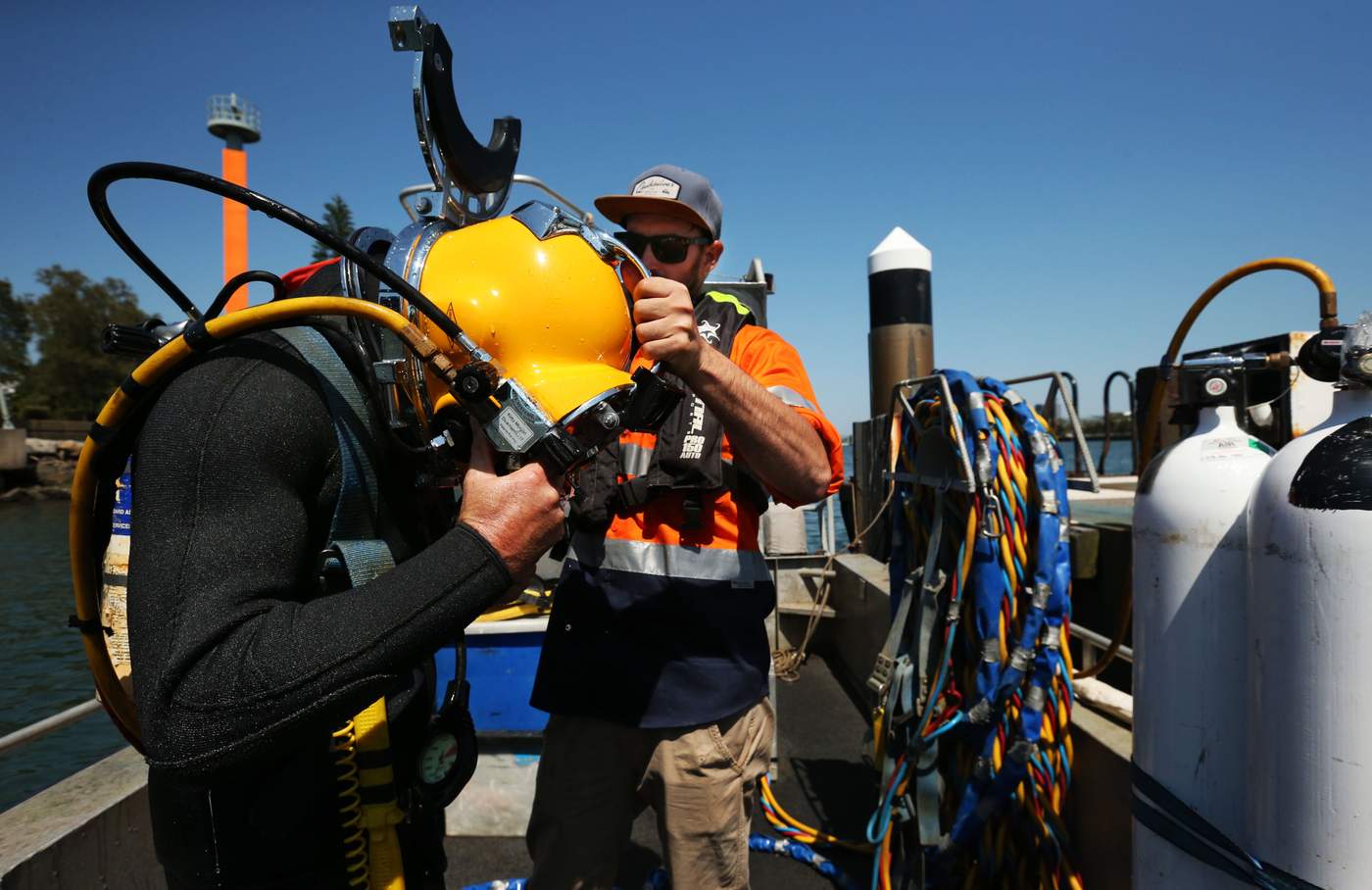
They're harbour divers and you can think of them as the tradies of the underwater world. Marine structure and rehabilitation company Harbourworks owner David Purser together with his three-man team, do everything from underwater welding, to underwater carpentry and even cutting steel two inches thick underwater.
“Anything that is in the water and under the water, we work on,” David says.
Their work is labour intensive and requires a certain level of fitness, especially because they can be underwater for up to four hours carrying a 12kg helmet on their head, an oxygen tank on their back and specialist tool in their hands.
“The divers have to do push ups regularly to keep up their shoulder strength,” David says with a smirk.
But, they also need to have a certain amount of psychological strength because most of the time, they're working with half a metre visibility underwater and sometimes, they're working in darkness.
“If you can see your hands, that’s a good thing,” David says.
“People ask us about running into sharks while we work, but we can’t see them either.”
Doug Wilson has been a diver for 10 years and said he developed a familiarity with the work his hands needed to do.
“It’s definitely hard work, you’ve got to have a certain amount of nerve” David says.
They've all grown up on the water and consider themselves water-orientated people.
For David, his life has been on the harbour since 1973.
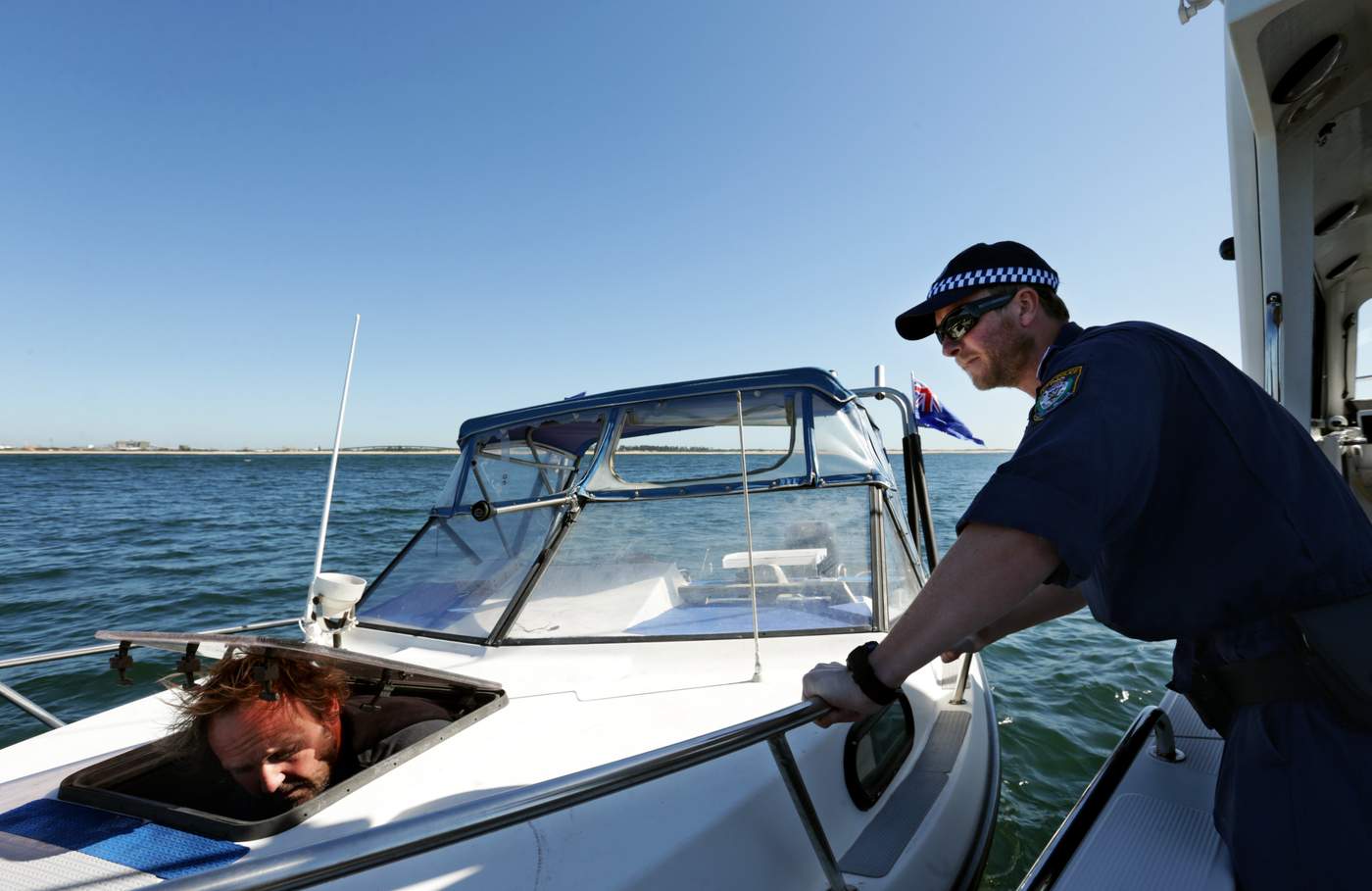
Just like on land, there is a law to abide by on water. And similar to land, there are protectors of this law, who work every day to enforce the rules.
The Newcastle Marine Police are a team of six, led by Sergeant Justin Harrison. Between the six of them, they have nearly 100 years water policing experience.
Their work is the same as the police you find patrolling the streets, except, Sgt Harrison jokes that they are usually more well-liked.
"Ninety per cent of people are happy to see us and usually give us a wave - you don’t get that on the streets," he says.
"We typically see a few fishermen out on their boats, sipping tea and not catching anything.
"We certainly get some odd characters. And we get a lot of people who don't think they’re in trouble, but we’ve been out there searching for them for days."
Most of their work is general patrolling of the harbour, but it also includes work with customs, and the critical infrastructure sites on the outskirts of the harbour. As a responsive station, they can be called up to Birubi Point all the way down to Norah Head.
The harbour is just one area the six-man team cover and during the cooler months, it can be the quietest. It's when the recreational fishermen start to appear that work can get busy. But, generally, the team find themselves at Lake Macquaire responding to incidents or monitoring safety. And, in emergencies can be taken across the state to offer their assistance.
As well as monitoring our waters, the officers are often called upon to conduct training.
"Most of our team are sent out to conduct nautical and tactical driving training and we get deployed all over the state because we
have the resources and experience to do it," Sgt Harrison says.
"Every day is different for us. We wear a lot of hats.
"You never know where you can end up on any given day."
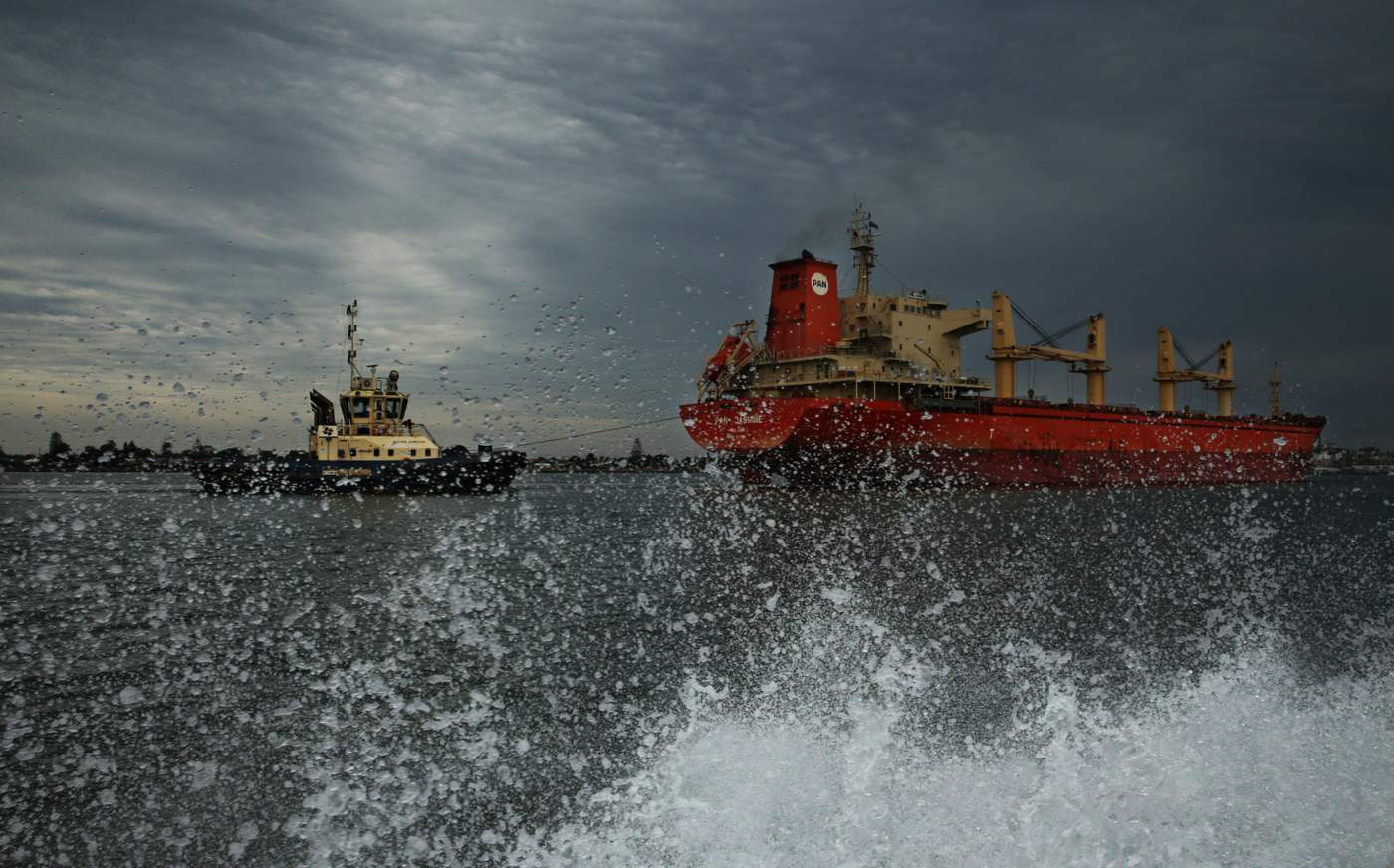
They are the backbone of the harbour. They are the icons of the port. They are an ubiquitous part of harbour life.
At any given time there are nine tugs in the harbour. Some may be sitting idle while others may be at a crucial moment of a shipment. The tug boats, run by Svitzer, have an eminent role in the harbour. Without them, shipments wouldn't be possible and trade would be difficult.
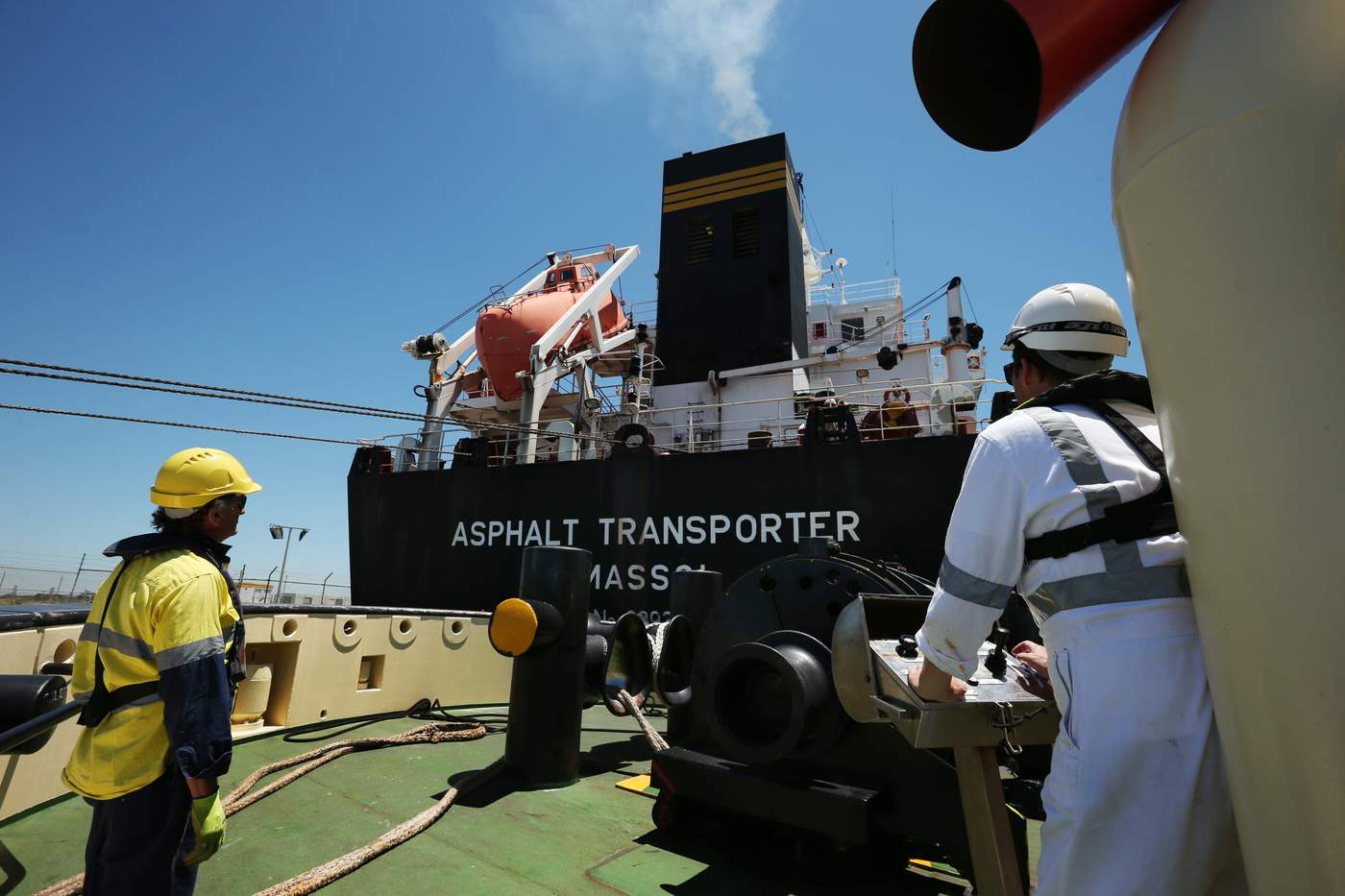
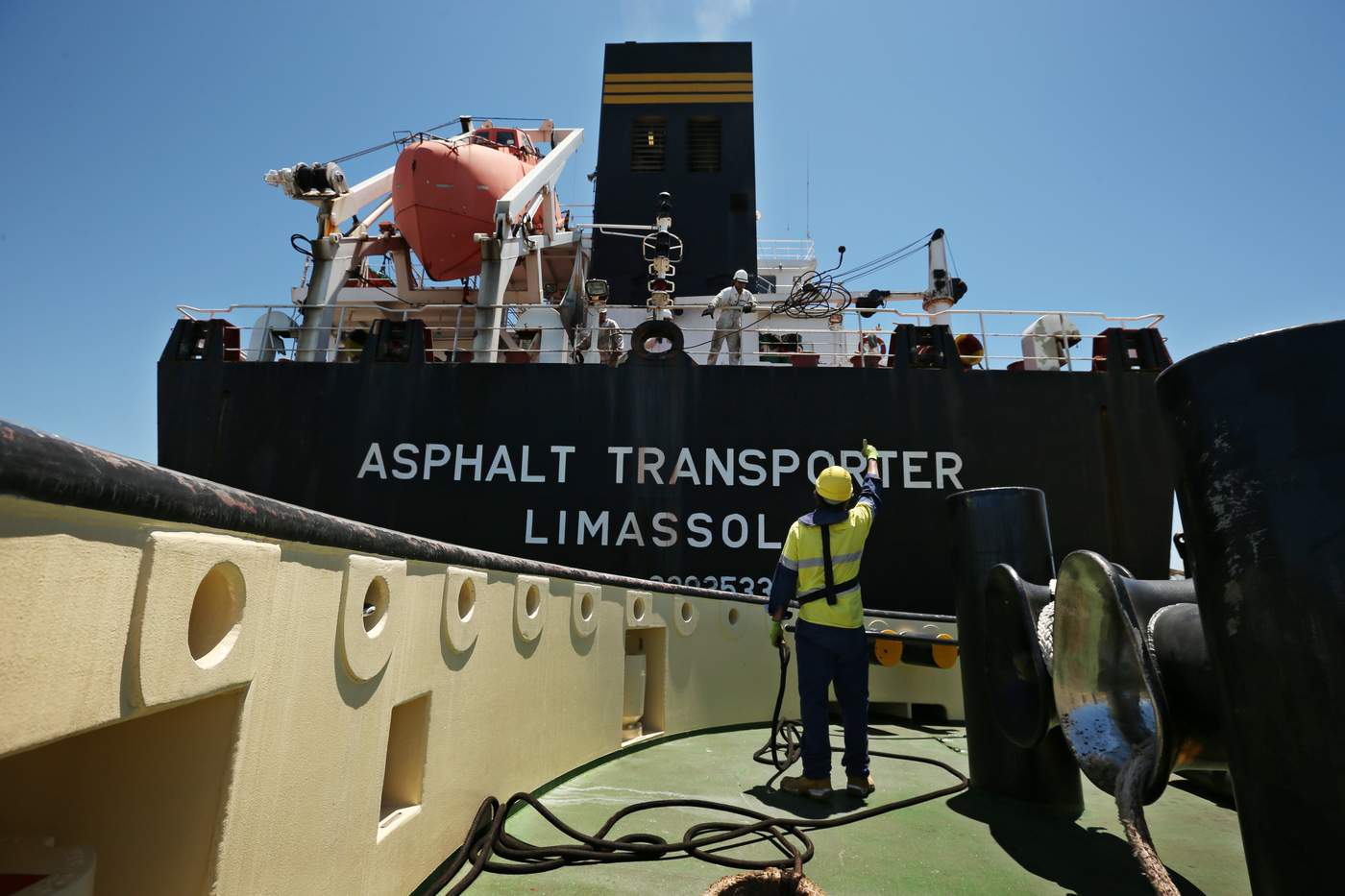
On average there are 18 ship movements within the port daily. Each movement requires a minimum of one tug and a maximum of four. Three tug crew members make the shipment happen. A deck hand, marine engineer and tug master work with the pilot on board the ship and the ship's crew members to safely line up the boats and pull, or push it along its way.
Although small, the tugs have almighty power to push the biggest of ships into a berth and pull them back out, guiding them safely out to sea. Tug master Ben Holder says the max speed a tug can do is 12 knots, but for these harbour workhorses, it's more about power.
"Most of the work we do is low speed, but with big grunt," Mr Holder says.
"Just because you can drive one tug doesn’t mean you can drive all of them. They're powerful. A lot of training is involved so that we can drive them all and are ready for all situations."
Mr Holder says it can be a dangerous job, especially during the critical moments when the rope is being tied onto the ship, or is being let go. There's silence between crew members. These movements rely on precision because if something goes wrong, it can be deadly. You're awaiting the all clear from the pilot on board the ship, but even when that comes, the work isn't over for the tugs. They wait, in case they're needed again.
"When the pilot is comfortable and doesn’t need our assistance anymore, the pilot on board will stand us down," he says.
"We’re there as a redundancy."
Like many roles on the harbour, you need to spend a certain amount of time on the water to work on the tug boats. There's many routes you can take, from working on board big ships and spending months on end at sea, to working on smaller boats. For Mr Holder, he took the latter route.
"It’s experience based, you need a certain amount of sea time," he says.
"This career used to be the aim for retirement for captains coming off big ships, who didn't want to be out at sea anymore."
Deck hands can also work their way up to become tug masters through cadetships and training. Gerard Inkson has been working on boats his whole life. He was there when the Pasha Bulker ran aground on Nobbys Beach.
"I remember being called out to the job and then tug boats just came out of everywhere," he says.
It's a career based on precision, organisation and a deep understanding of the water. The successful running of the harbour rests on the shoulders of tug workers, but Mr Holder says it's still better than being in an office all day.
One man is at the helm of the entirety of the port's operations.
That man is born and bred Novocastrian Geoff Crowe.
He is the CEO of the Port of Newcastle and while the port relies on his ability to efficiently organise, maintain and operate the harbour, he feels humbled to have Newcastle's greatest asset in his hands.
"This is an exciting role, it covers everything I care about," Mr Crowe says.
"I see us as custodians of this asset, we live and work and use the port all the time."
Mr Crowe has a hefty amount of duties and works with a Novocastrian team of 89 employees covering everything from dredging, to vessel scheduling and infrastructure maintenance. For a port that is ever-growing, Mr Crowe has to be forward thinking and always planning for the future. He sees Newcastle harbour as a vessel of diverse opportunity.
His day is busy, but it doesn't stop him from finding time to be out on the harbour. In fact, that's his favourite part of the job.
"I love getting out and touching and feeling what’s actually going on in the harbour," he says.
"One of my favourite things to do is to get on a survey vessel and just look back at what is happening on the harbour."
After all of these season
After your own decision to go to the water for a reason
It's only the ocean and you
And all of this lines
Will all be erased soon
They go out with the tide
And come back with the waves
It's only the ocean and you
- Only the Ocean, Jack Johnson.