

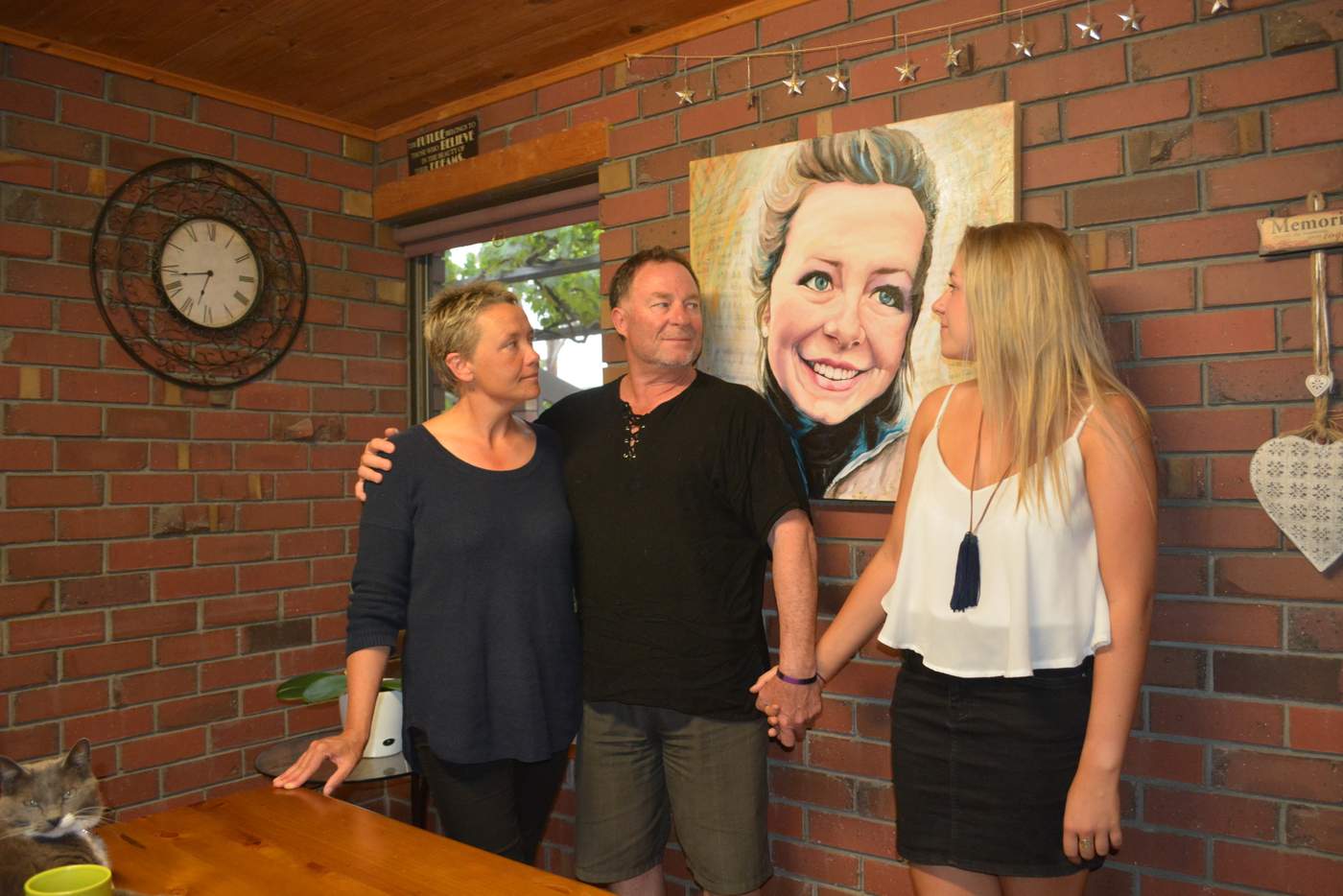
STILL IN PAIN: Molly Kneebone's family, Karen, Noel and Katelin, said 18-year-old Molly had so much life left to live when she tragically died in a car accident in 2013.
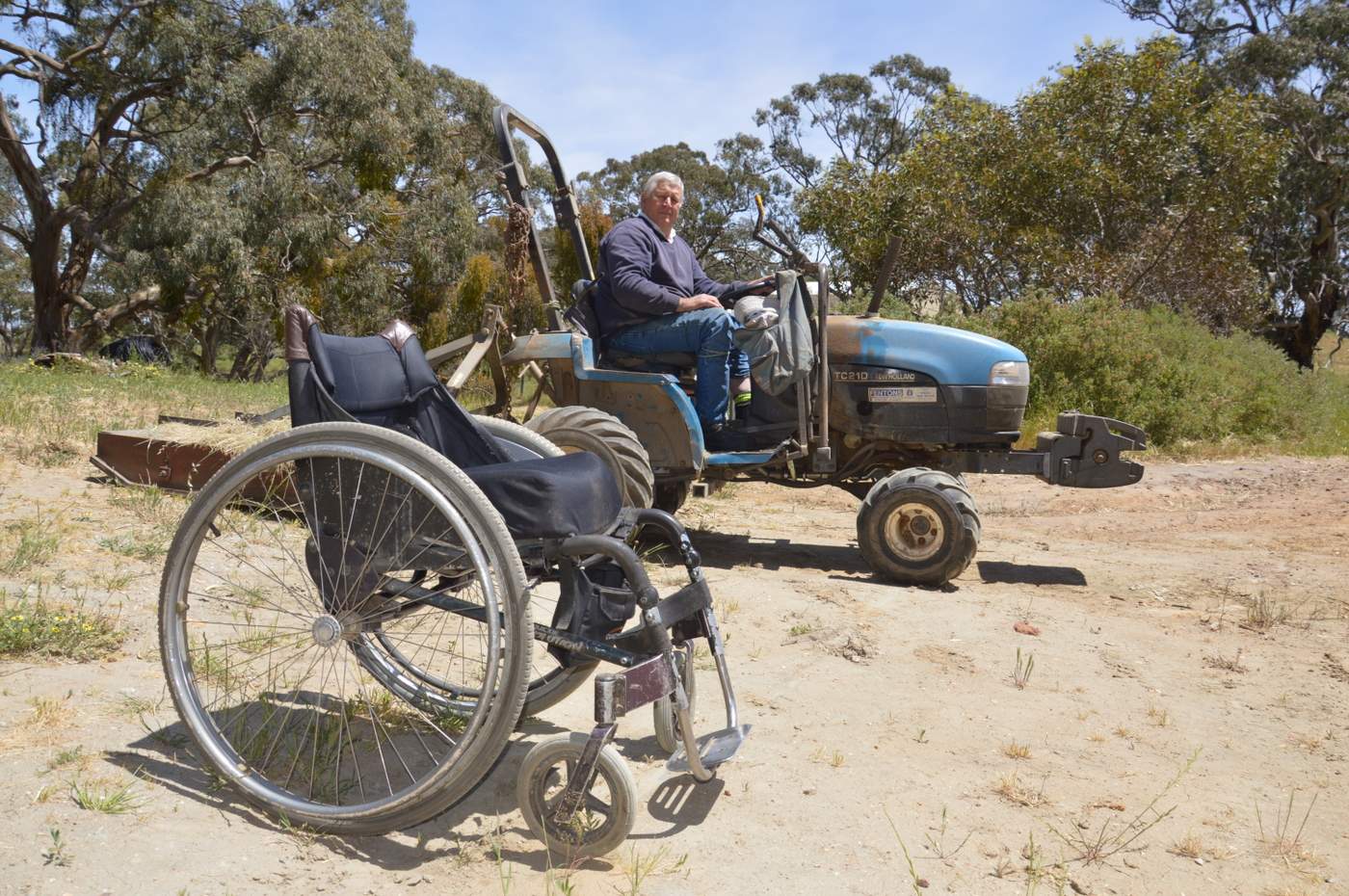
LIVING LIFE: Steve Werfel, of Clare, was involved in an accident in 1974 which left him paralysed at the age of 21.
Be aware, life can change instantly
When Steve Werfel was travelling home from a Navy base in Victoria for his 21st birthday, little did he know it would be the last time he would be able to walk.
Some years ago, Mr Werfel, of Clare, had dropped out of school and decided he would join the Navy.
“I was about 15 and a half and I did not like high school, so I wagged school one day and decided to join the Navy,” he said.
Slowly Mr Werfel became more qualified as he completed his third and fourth certificate to further his education.
He became a diesel engineer and went on to complete a submariners course.
Luckily, he was able to get leave for his 21st birthday and, to celebrate, he rode his motorcycle back to South Australia along with another colleague.
It was about eight hours after leaving the naval base, between Balranald and Hay at 3.30am, when both men were flung from Mr Werfel’s motorbike.
They had changed drivers, so Mr Werfel was the passenger when the motorbike hit a kangaroo.
Both men were knocked unconscious and found by a truck driver about an hour and a half later.
It is not known when Mr Werfel’s spinal injury happened as the ambulance he travelled to hospital in was also involved in an accident on the way.
“I was unconscious and was treated for head injuries, but at the time there was no idea about my spinal injury … it’s unknown how it was caused,” he said.
The driver was treated for a number of broken bones and, according to Mr Werfel, was in a bad way for some time while, to the eye, he looked relatively unscathed.
Because of his injuries Mr Werfel was flown to a specialist hospital where he remained in a coma for the next 12 days.
When he awoke from the coma, his life was changed forever – he was paralysed from the chest down and would have to adapt to life in a wheelchair.
“Being in the Navy, they organised for me to do my rehabilitation in my home state (South Australia),” Mr Werfel said.
Although it was a kangaroo the pair hit, he said in hindsight during the trip they could have stopped somewhere for the night.
He may have lost the use of his legs, but Mr Werfel’s strength and inner determination has pushed him to achieve great things.
Just six weeks into his rehabilitation he signed himself out of hospital, rented his own unit and began to live his own life.
“This shocked my parents, they were shocked that I had gone ahead and done my own thing,” he said.
“I was accepting who I now was, I did not want to be a burden (on people and my parents) and I had to prove I could do things for myself.”
After 12 months, Mr Werfel said it was the best decision he had made.
From that point forward, he would go on to play several wheelchair sports locally, for South Australia and internationally.
He was also the first paraplegic to complete the City to Bay Run.
Mr Werfel also now talks to young drivers – through the Rotary Youth Driver Awareness program – about his accident and gives them a first-hand recount of life in a wheelchair.
“I ask them what I could have done to avoid the accident and I tell them to respect themselves and get some sleep,” he said.
And, without doubt, following each session Mr Werfel has at least one student who approaches him to ask more questions.
“...that means that one has got it into their head … that’s a big thing.
“If something does happen (to you) don’t sit back and become a vegetable, put your mind to it and do something for yourself.
“Life is what you make it … you are responsible for your own life and those around you.
“Think and plan your trip or holiday.”
- Words by Chelsea Ashmeade
plea: safety first
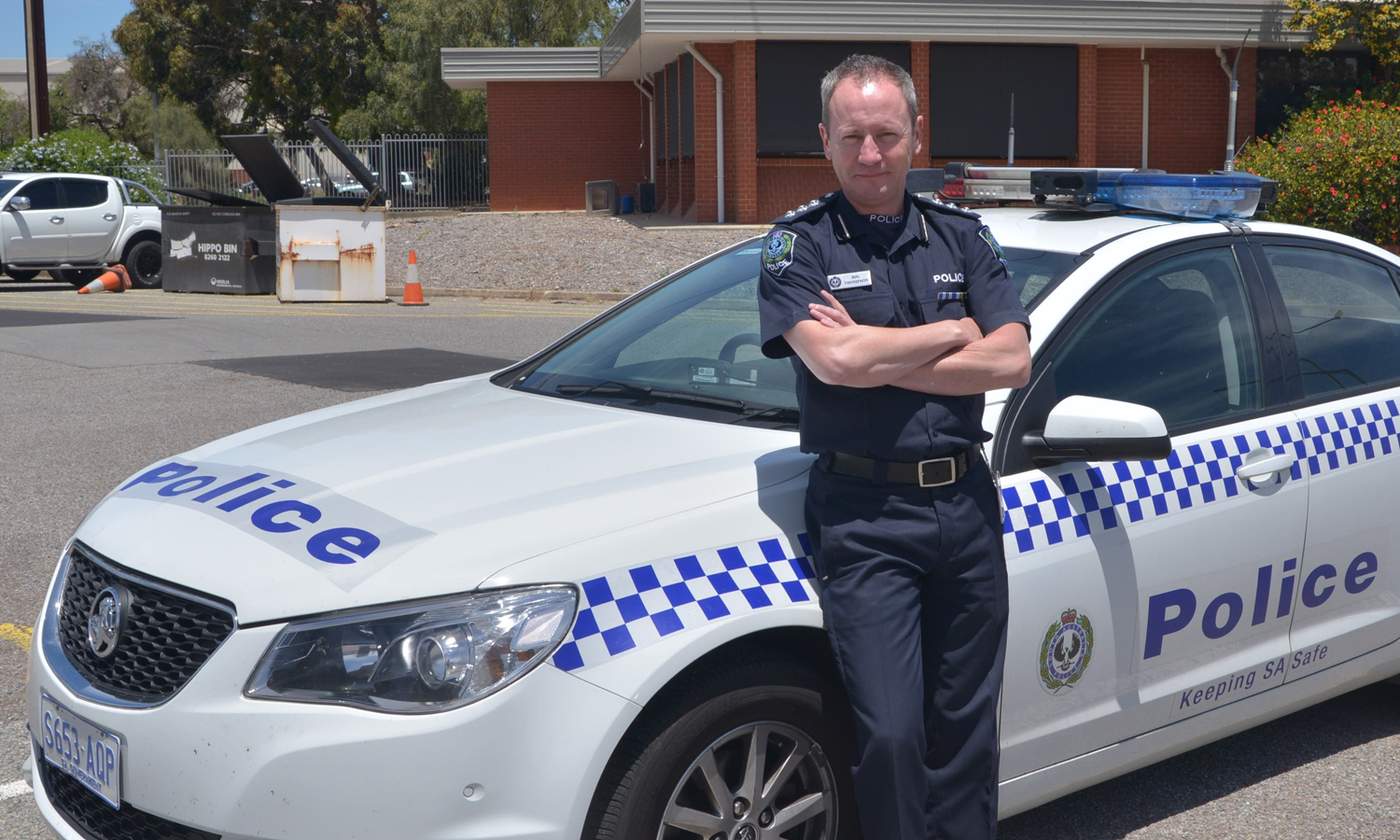
SAFETY: Inspector Billy Thompson says everyone needs to prepare for driving during the holiday period.
Motorcyclists are almost 30 times more likely to die in a crash than other motorists.
A rider safe course is available - visit mylicence.sa.gov.au or call 1800 018 300.

claims lives of
three young men
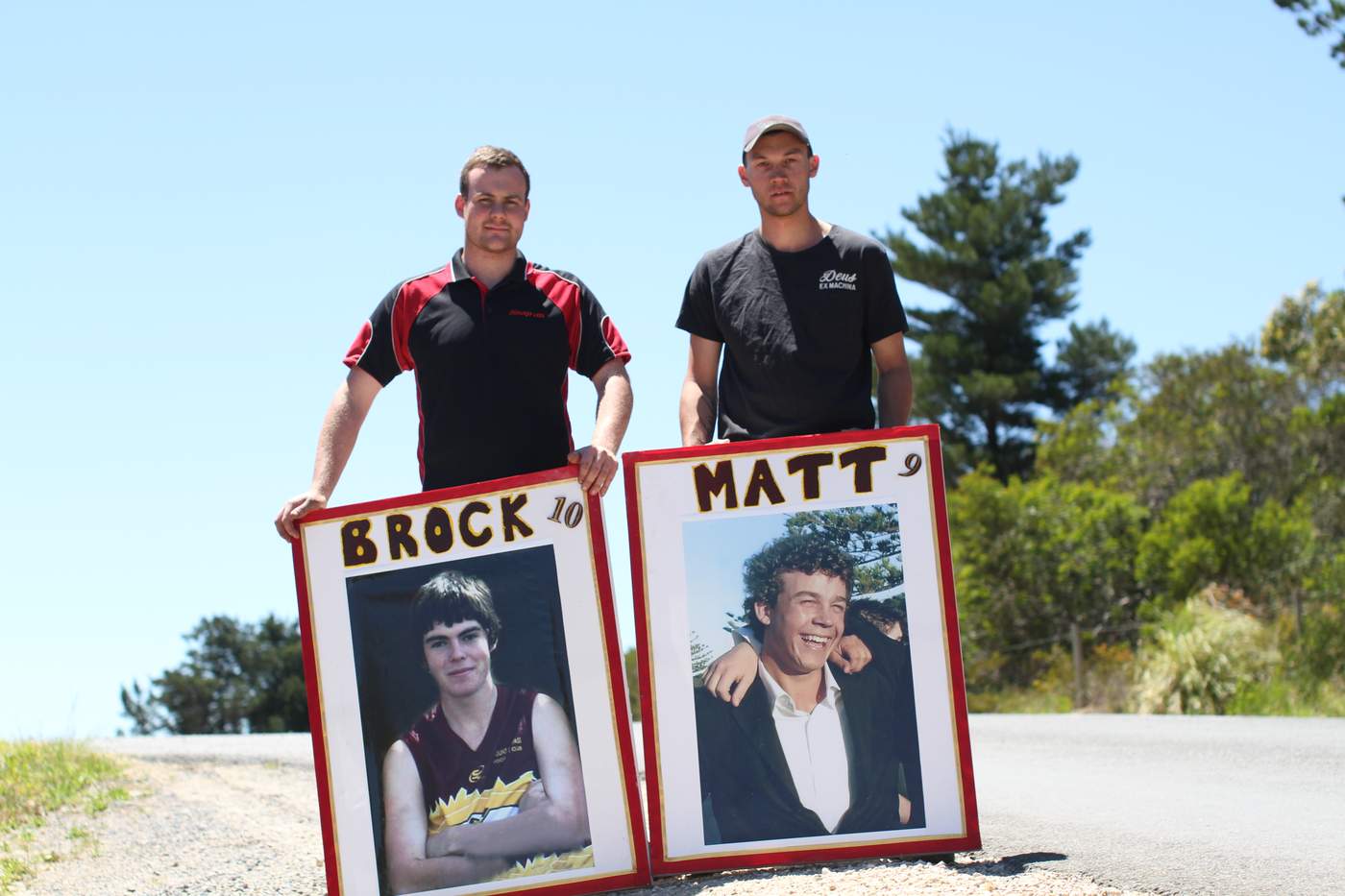
NEVER FORGET YOU: Brad Grivell and Daniel Solly, with photos of their older brothers Brock Grivell and Matt Solly who died in a car accident on Australia Day, 2010.
Mount Compass families still haunted by loss of sons
It has been a journey of pain, anxiety, confusion and grief for the families of three boys who died in a car accident at Mount Compass on Australia Day, 2010.
Jake McMillan, 18, Matt Solly, 18, and Brock Grivell, 17, died when the car they were passengers in crashed into a tree at more than 100km/h.
The loss of life sent a lasting shockwave throughout the community, touching family, relatives and friends.
Family members of the boys are pleading to drivers to use common sense in the lead up to the busy summer season on Fleurieu roads.
Wayne McMillan, father of Jake, spoke with The Times about the lasting impact of the loss, in the hope to encourage the ‘drive. arrive.’ message.“Every day you’re learning and re-adjusting your life, and you learn to live again,” Wayne said.“Most people are aware of the dangers on our roads, but my biggest thing is that you just don’t see it coming.”He said the devastating impact on family members lasts a lifetime.“Alcohol, anxiety, sleep deprivation, you just get lost. I’ve just used what I have learned in my lifetime to get through,” he said. “Anxiety is a huge thing, it can last for weeks, and even your whole life.
“If I was giving advice, I would be brutally honest about what happens to their family afterwards.”
Wayne stressed the importance of mateship and keeping an eye on one another. “You want to share all the good times together, and you don’t need to hoon drive to share those good times,” he said.In the year before the accident, Jake, Matt and Brock played football together in Mount Compass’ senior colts grand final loss to Myponga/Sellicks.
Ian Grivell, father of Brock, keeps a photo of his son in his tool box and spoke of his family’s ongoing emotional trauma since the tragedy.
“It’s a pretty hard thing to come to terms with never seeing your son again,” Ian said. “The amount it has affected our family’s life is monumental… there are constant reminders around you all the time.
“I walked on a knife edge every day of not falling into depression and I’ve worked really hard on keeping myself upright.”
Ian said if you are uncomfortable being a passenger in someone else’s car, tell them to pull over and get out.
“Get out, don’t stay and try and be brave or anything like that.”
Ian urged drivers to be alert, sensible and drive with common sense.
“The bad part is we’re not immune to it happening in some form again – it’s not an illness or a sickness that you can cure.”
About 20 to 25 people will die and another 150 will incur a serious injury on South Australian roads between now and the end of the year.
It is a sobering thought as this year’s toll stands at 79. The average of the past 10 years is 108.
According to the RAA, the state’s lowest road toll was in 2012, with 94 deaths recorded, followed by 97 in 2013.
RAA road safety senior manager Charles Mountain said there had been peak times of the year when road toll numbers had spiked and affected the annual toll.
“Since 2012 there have been opportunities for SA to surpass the lowest road toll but given the volatile nature of monthly figures there has always been one month which has affected the yearly figure,” Mr Mountain said.
The RAA aims to reach a target road toll of 80 by the end of 2020. From now until New Year’s Day, drivers can help reduce the number of deaths by becoming more aware of the risks on the road.
Drivers should minimise distractions and help to drive. arrive.
- Words by Ben Kelly

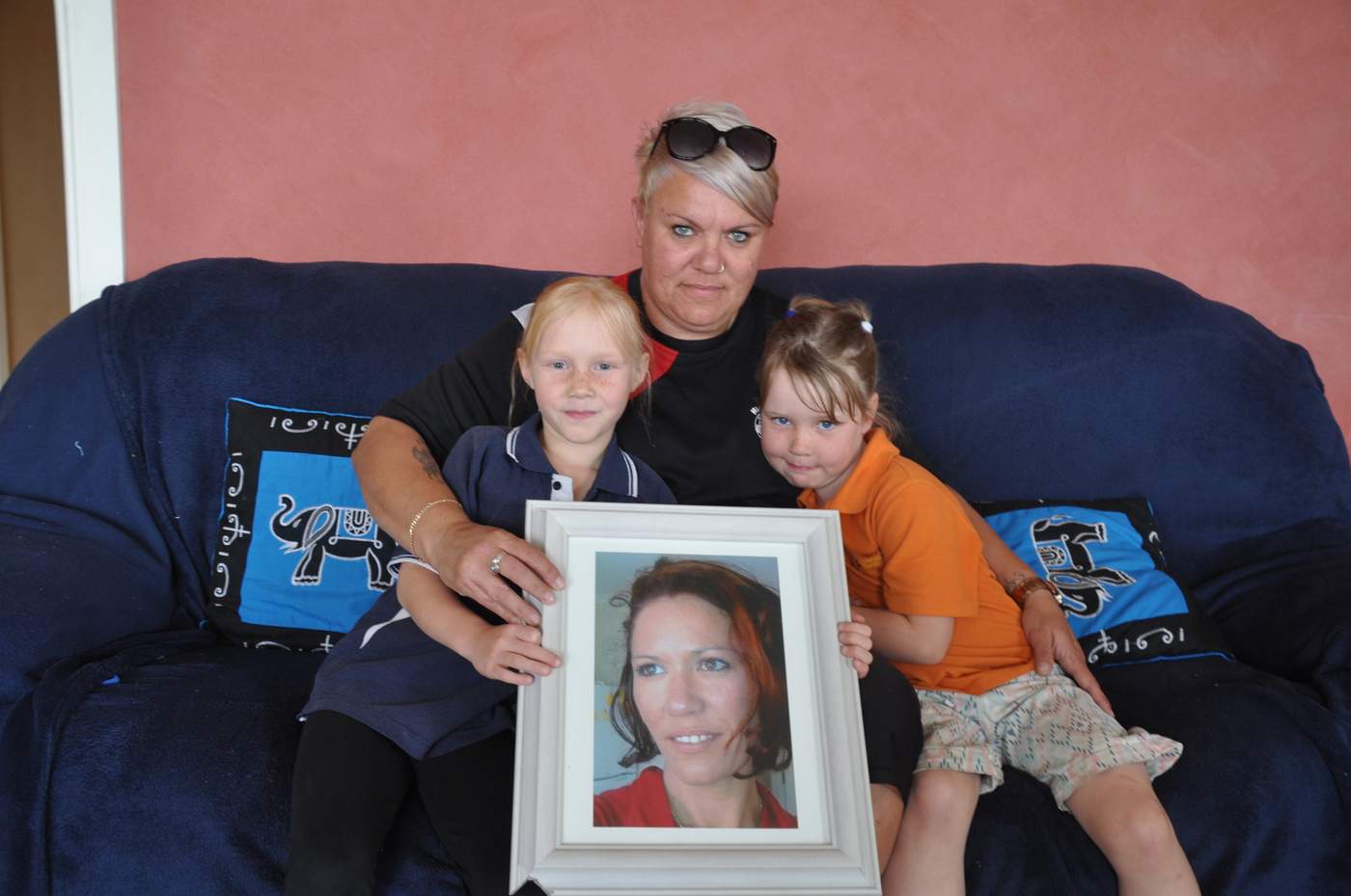
REMEMBERED: Bella Francis. Suzanne Scanlon and Marley Francis with a photo of their mum and sister.
Family pays tribute to a shining star
All Malinda Francis ever wanted was to be a mother, but sadly now her sister is the one left raising her two young daughters, Bella and Marley.
Ms Francis was 36 when she died in a car crash on the Lincoln Highway, north of Cowell, in October last year.
Her sister Suzanne Scanlon said it took her a week to tell the girls their mum had died ... it was the hardest thing she had ever done in her life.
But despite the pain, Ms Scanlon makes a big effort to ensure their mother is still a big part of their lives.
“Every day we talk about her and every night they go out and pick a star for her,” she said.
“She was this loving, caring person.
“My sister would do everything for anyone, that was the sort of person she was and I hope it comes out in her girls.
“I want her to shine out of those two girls.”
Ms Scanlon said her sister had been so excited about milestones like her daughters starting school, and as their carer she was trying to keep her sister’s dreams for her children alive.
She said Marley and Bella were close to their mum, and they still had a long road ahead of them.
Ms Scanlon said it was sad someone who had such a big heart and so much to give to the world was gone.
“Anyone that knew my sister knew what a beautiful person she was,” she said.
After the crash, Ms Scanlon moved from Port Lincoln to Ceduna because she found it too hard to stay in the town where there were so many memories of her sister.
In the past year, she said she had found it hard to be happy because she felt it was unfair her sister was not there to be with them.
“Even a year on I’m still suffering,” she said.
“I wouldn’t wish anyone to go through what I’ve just gone through.”
To mark the first anniversary last month, the family made a boat, wrote messages and drew pictures to put inside it and set the candlelit vessel afloat at sea, starting a tradition they hope will continue.
- Words by Billie Harrison
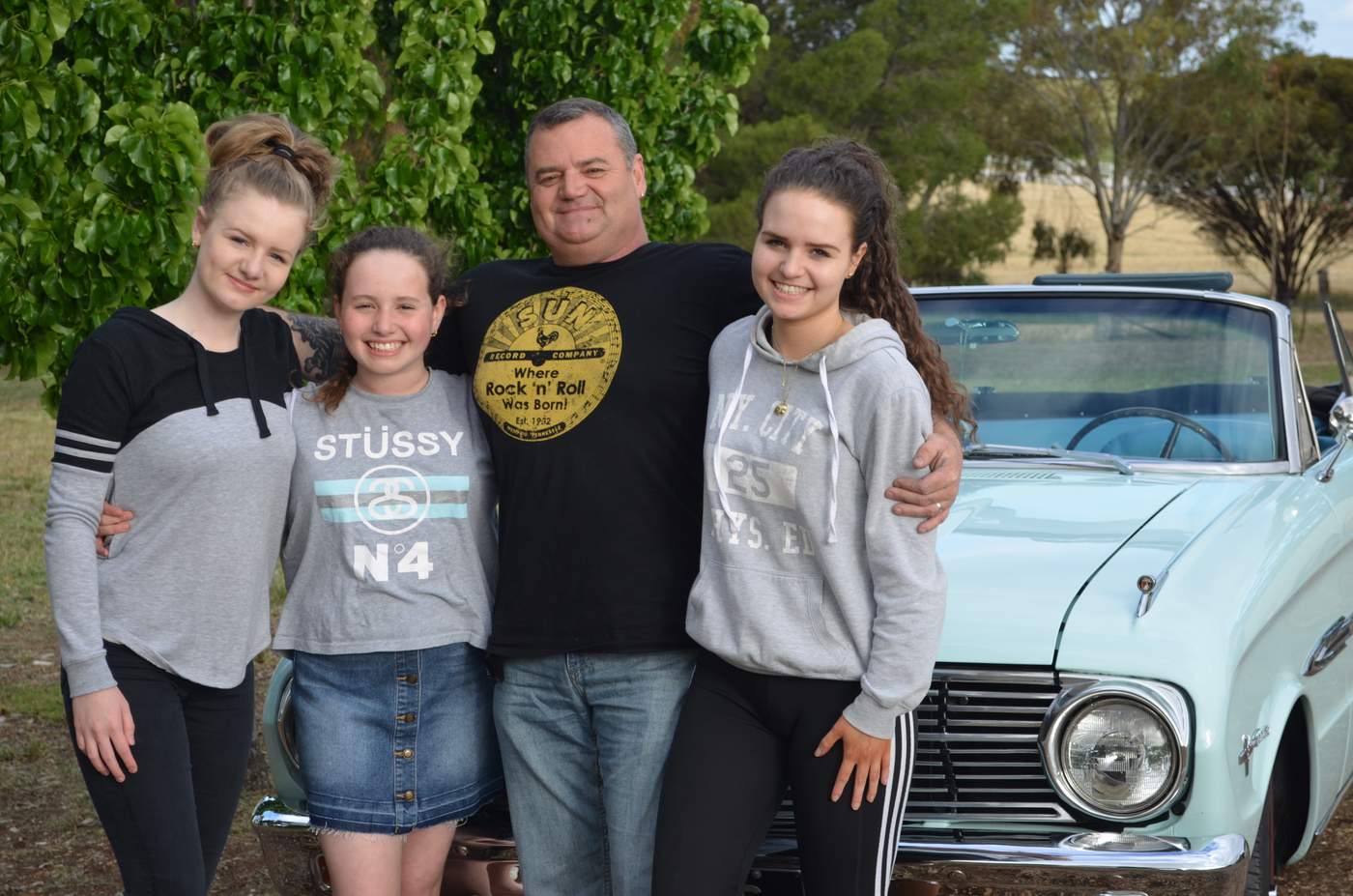
PLENTY TO LIVE FOR: Darren Thorpe with daughters Shae, Macy and Demi, would give anything to return to life before his accident.
once told Sue
Nicholls she
looked like
an angel. She
nearly became
one later that day.
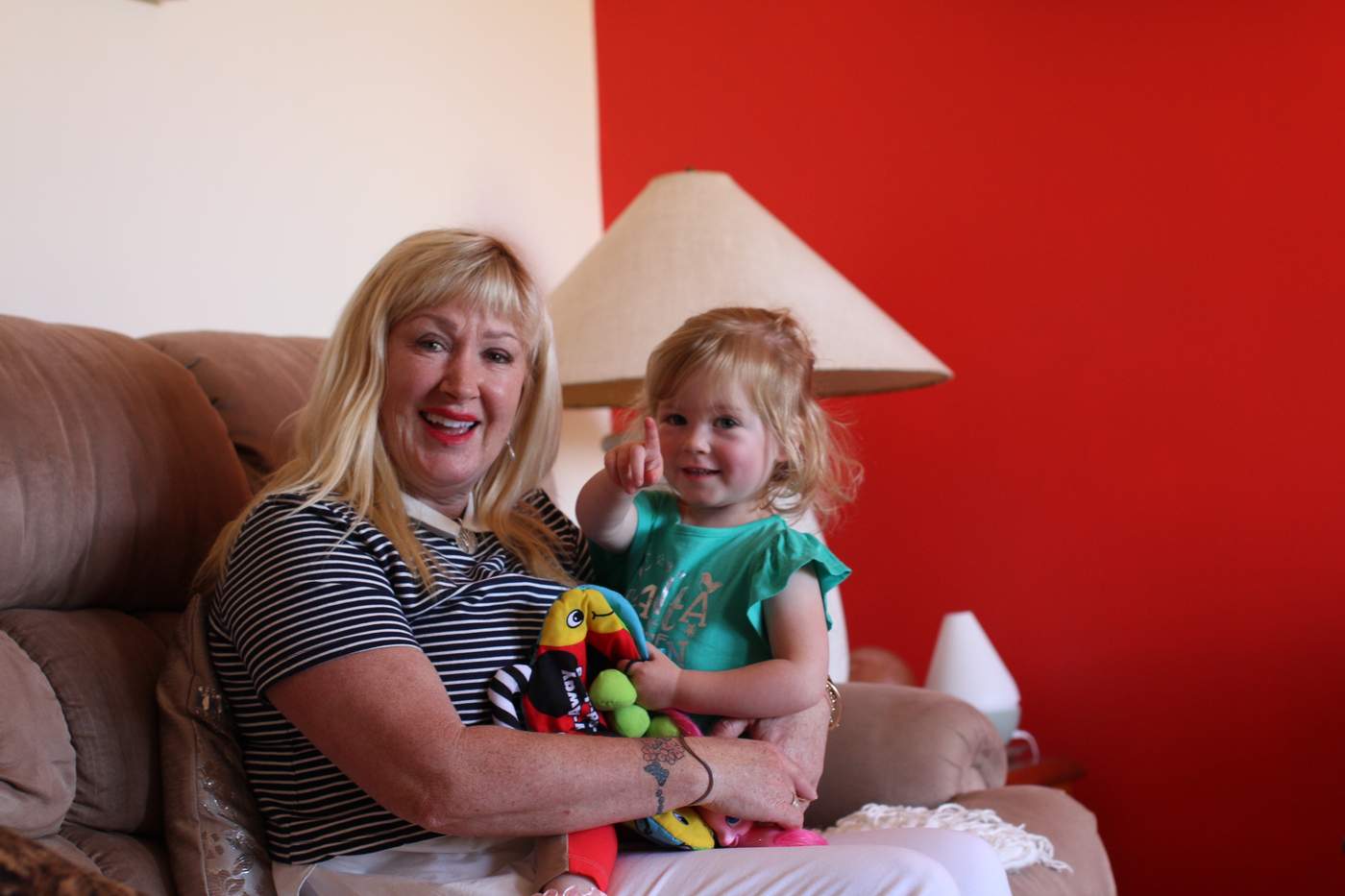
LIFE-CHANGING: Sue Nicholls and grand-daughter Ellie Smithies, 2. Sue still faces challenges resulting from a car accident that nearly killed her four years ago.
No safe haven on regional roads
Over the past five years, more South Australians have been killed on regional roads than in metropolitan areas, with motorists aged between 16 and 24 years two and a half times more likely to die or be seriously injured in a rural crash.
The numbers crunched on regional road deaths and serious injury is astounding, with males two and a half times more likely to crash than females.
Motor Accident Commission (MAC) corporate communications manager Megan Cree said country driving increased opportunities for drivers to become fatigued or distracted.
“There are also the additional risks of overtaking other vehicles, varying road conditions and animals on the road," she said.
“Driving is a complex task in any environment, and it is imperative that people are aware of the different risks posed by country driving.”
Crashes in rural areas commonly occur on high-speed roads and involve a single vehicle in a scenario such as running off the road and hitting a fixed object.
Another major factor of regional road deaths is the number of vehicle occupants who were not wearing seatbelts at the time of impact.
Ms Cree said statistics over the five years, 2011 to 2015, showed 57 per cent of fatalities and 44pc of serious injuries from road crashes occurred in rural areas.
She said the data also showed that males sustained the highest number of fatal and serious injuries across the regions and represented 71pc of all fatalities and 65pc of serious injuries.
“On average, men are almost two and a half times more likely to be killed in a car crash than females,” Ms Cree said.