The steel story: inside the sinter plant

Journalist Glen Humphries and photographer Sylvia Liber pull back the steel curtain and take you deep inside BlueScope's Port Kembla steelworks.

One thing you don’t expect to see at the BlueScope steelworks is fish.

One thing you don’t expect to see at the BlueScope steelworks is fish.

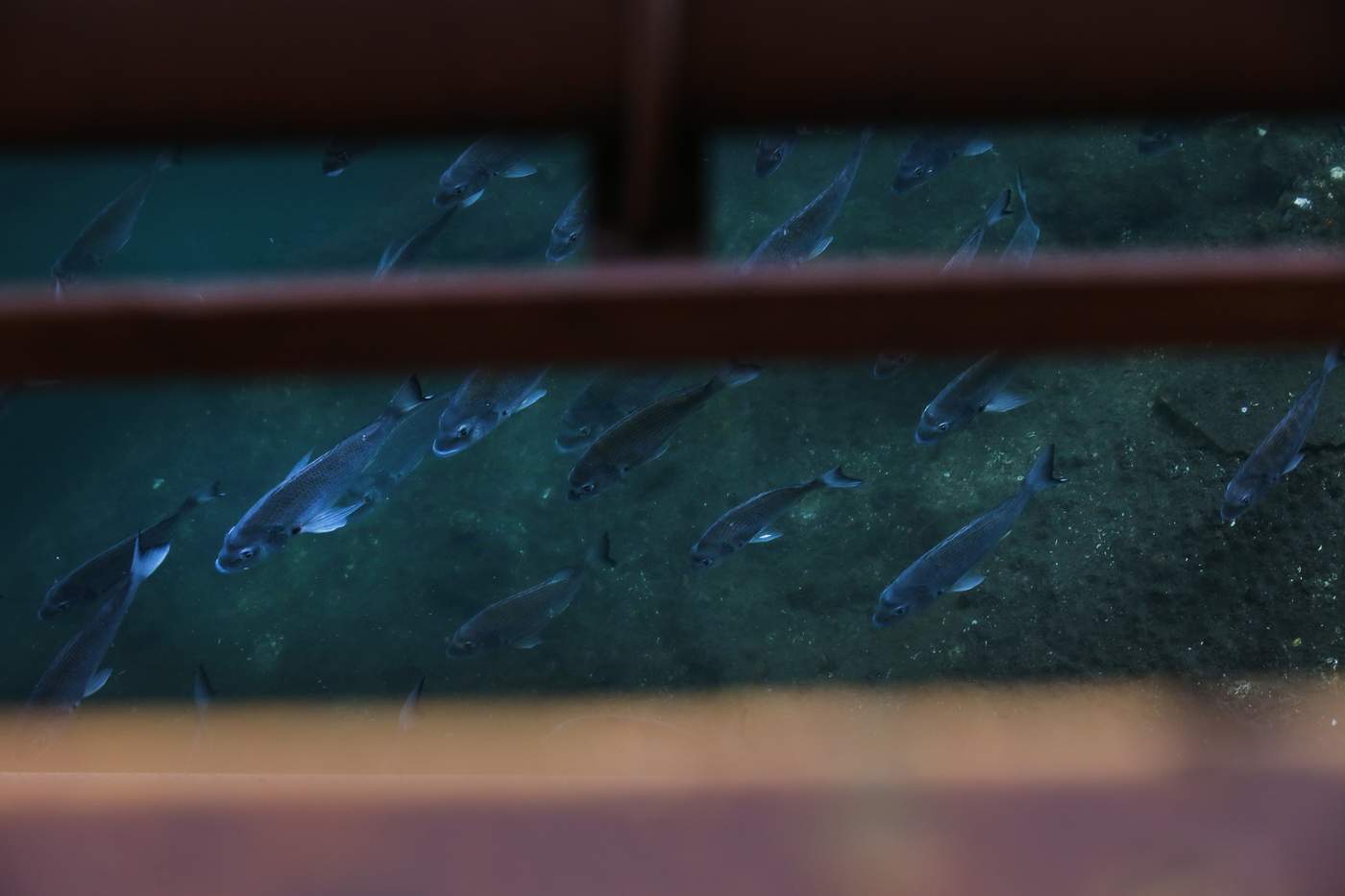
But there they are - big healthy-looking fish swimming in a saltwater channel that runs through the plant.

The channel runs to the harbour and brings water into the plant to use for cooling purposes during various parts of the steelmaking process.

The fish get drawn through pumps into the channel when small, and then they’re quite happy to stay there.

The current coming in from the harbour gives them something to swim against and passing steelworkers have been known to throw a few lunch scraps their way.

It’s not the only place in the steelworks where you’ll find fish.

Allans Creek, which runs through the steelworks just north of the shipping berths, is reportedly home to tropical fish that have arrived in the ballast of ships.

That saltwater channel that is home to a wide variety of fish runs under the sinter plant, which is located adjacent to both the harbour berths and the massive piles of blended iron ore that comes off the ships.

Fish live in a saltwater channel that runs from the harbour and past the sinter plant at BlueScope.
As befits its name, the sinter plant makes sinter - a combination of iron ore and flux.

The latter is a collective term for ingredients like limestone and dolomite used for chemical control and to help bind the ore together.

The sinter plant takes the ore that is too fine to be used in the blast furnace on its own and bulks it up.

The mix of ore and flux is laid out on what is called the strand, which is pretty much a large conveyor belt - a 200-metre long loop - that runs 24 hours a day.

The sinter starts its journey on the strand by being blasted with natural gas jets at a temperature of more than 1000 degrees.

As the strand moves along, suction pulls the heat from the top of the sinter through to the bottom.

By the time the sinter reaches the end of the conveyor, it’s rock hard and then drops off into the spike roll crusher which smashes it into rock-sized pieces.

Fans help the sinter cool down before it’s sent up to a series of sorting bins that filter it based on size.

Any pieces too small for the furnace get sent back to the start for another go on the strand.

The sinter-making process is very dusty - iron ore coats the floors of the plant, and comes to rest on filing cabinets and any other flat surface it can find.

This includes the pages of my notebook, which are covered in light brown smudges.

This ore dust doesn’t get wasted.

It is routinely swept up and put on the strand to be turned into sinter.

Not all the dust is swept up.

A lot finds its way to the waste gas cleaning plant, where it’s soaked up by 400 tonnes of char.

Then a few ingredients are added to the char and it gets made into roadbase.

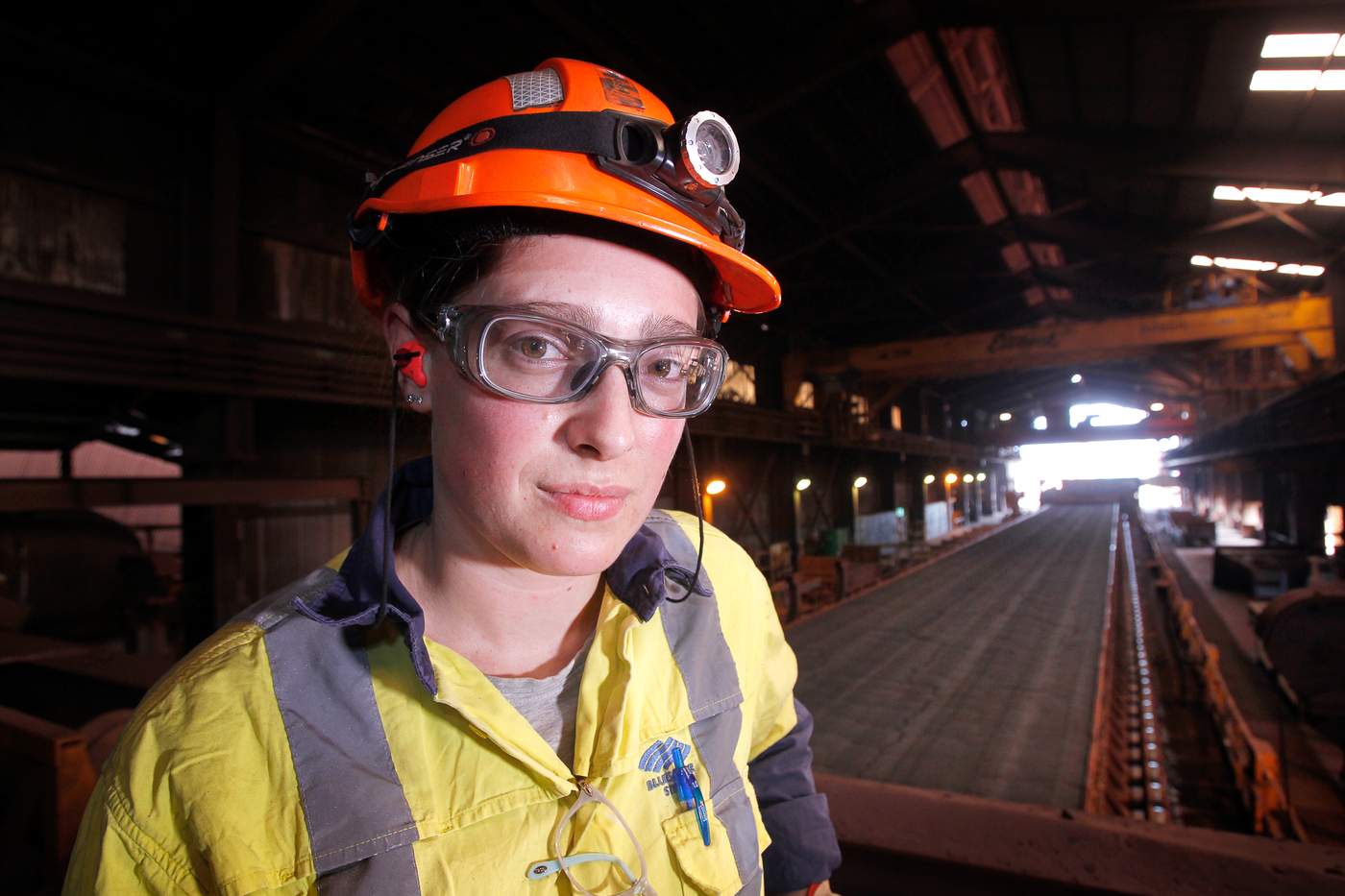
Kate Gilbert - process engineer in the sinter plant - at the beginning of the strand.

Looking like the surface of a road, the sinter is steadily heated as it runs down the strand to a crusher that breaks it into small pieces.

At the start of the strand, the sinter is hit with gas jets that heat the surface. As it rolls down the strand, suction from below sucks the heat through the sinter.
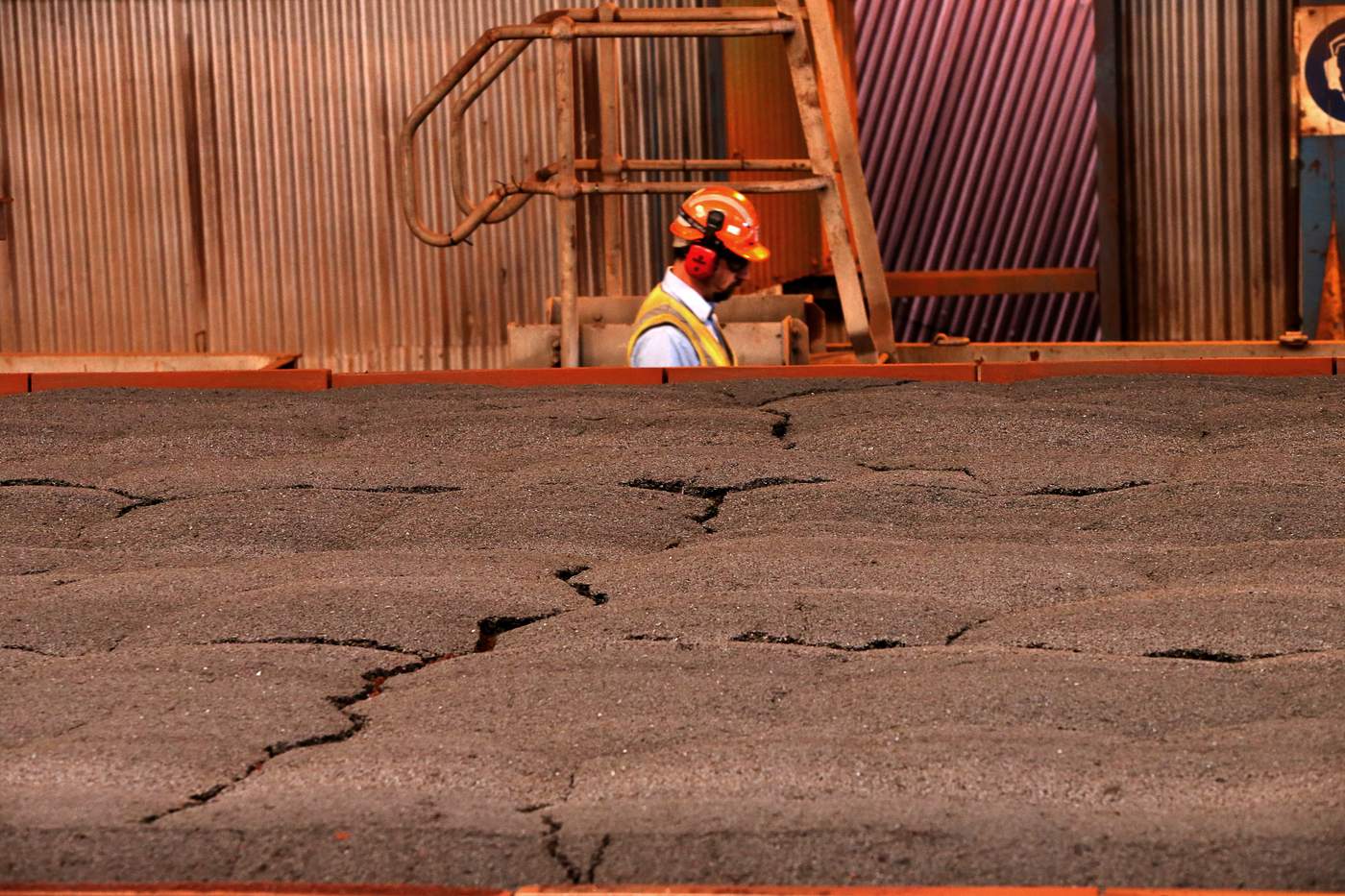
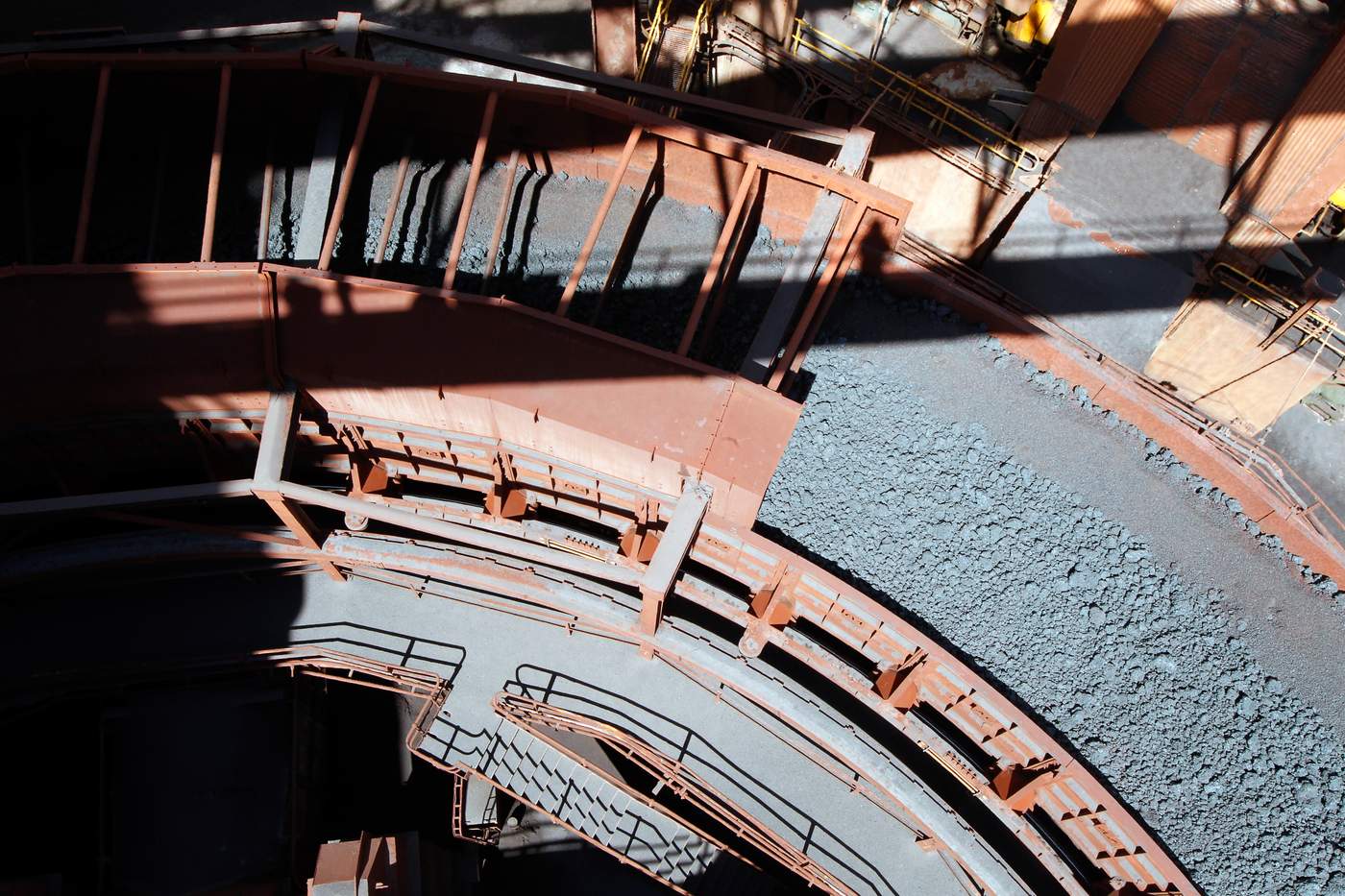
After it's been crushed, the sinter is carried slowly along a conveyor so it can cool down before being sent to the blast furnace.
Process engineer Matt Blood at the sinter plant.
Next Monday we explore the coke ovens.