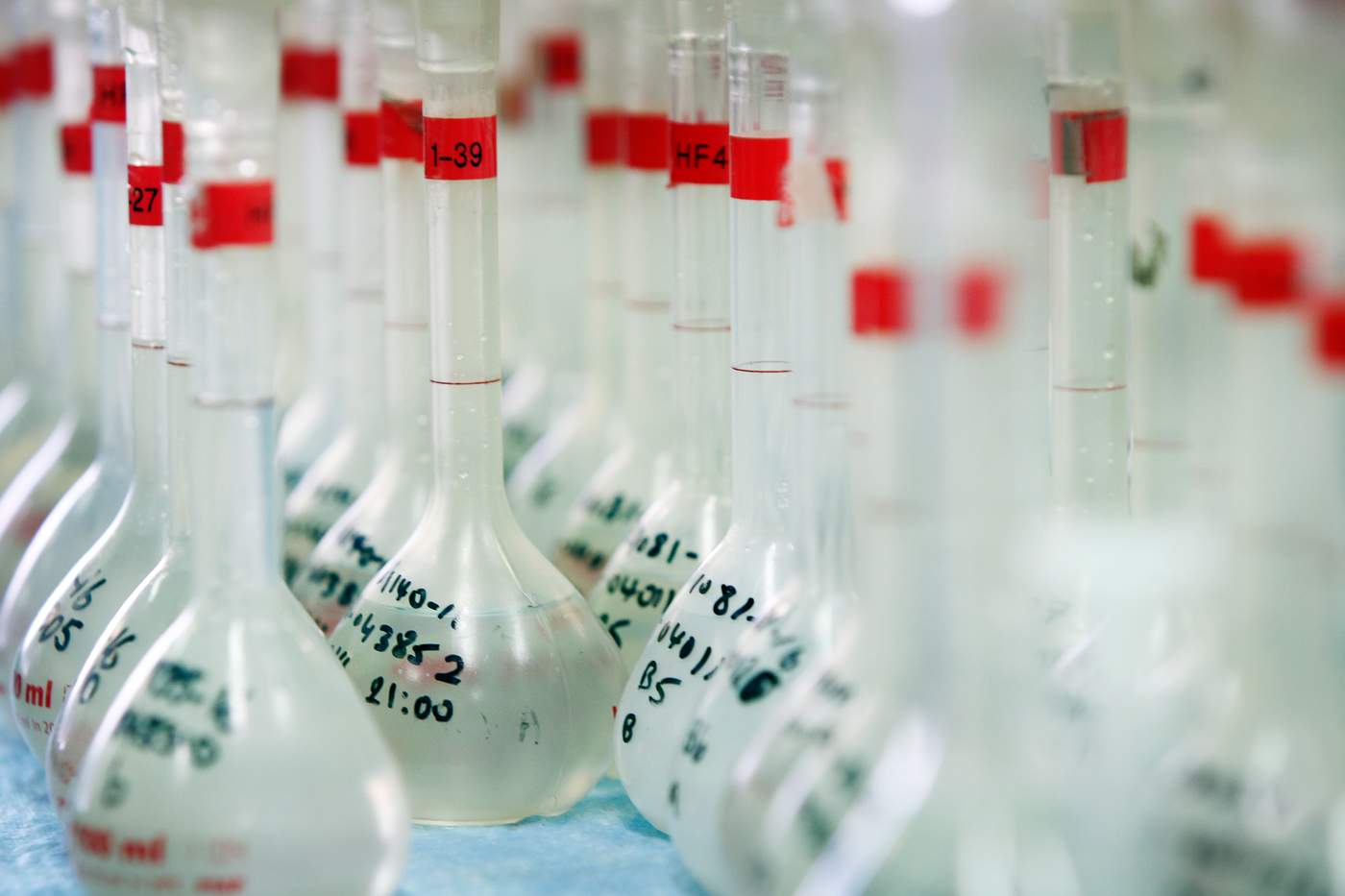
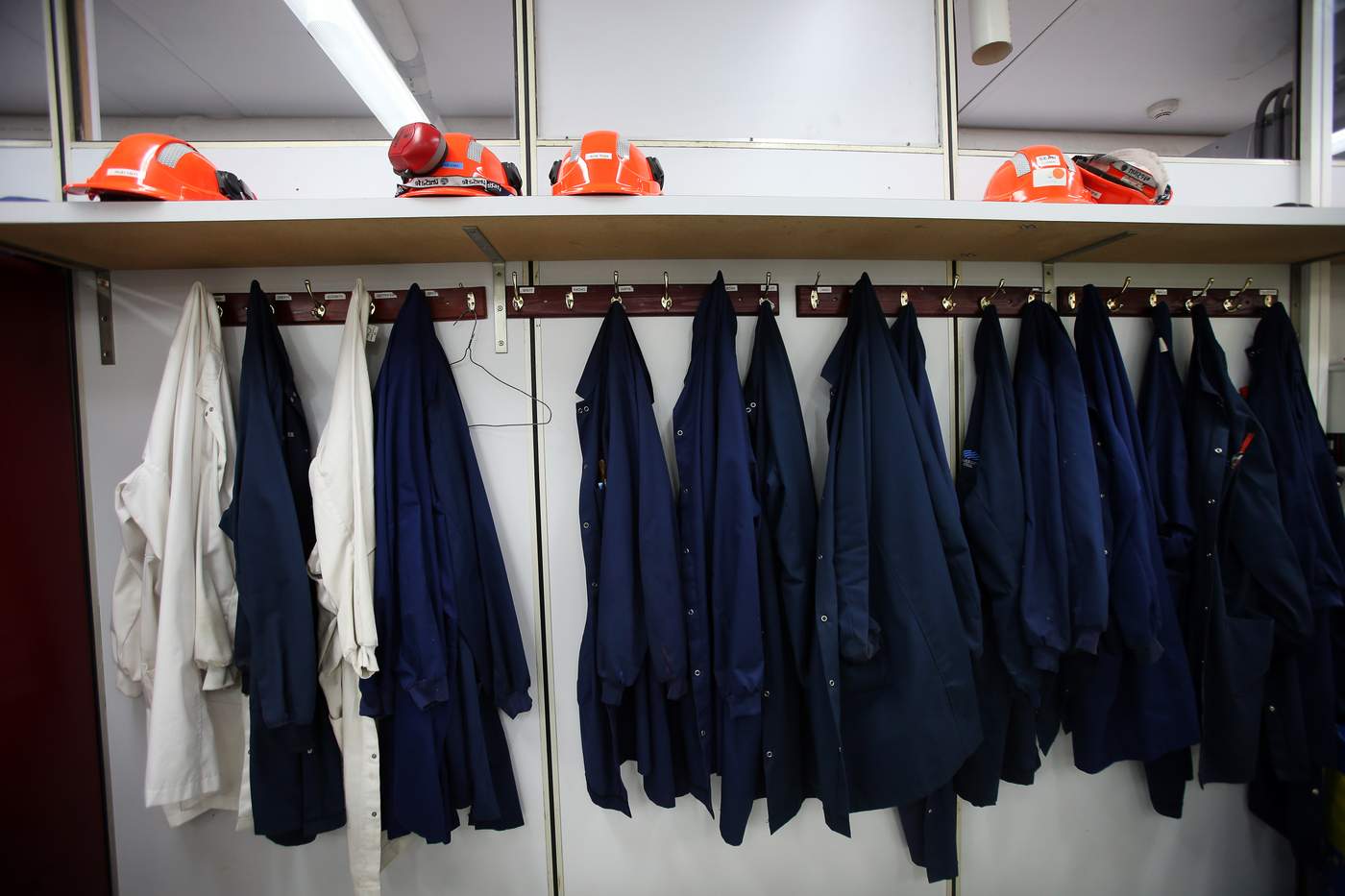
The steel story: a testing time in the labs

Journalist Glen Humphries and photographer Sylvia Liber pull back the steel curtain and take you deep inside BlueScope's Port Kembla steelworks.
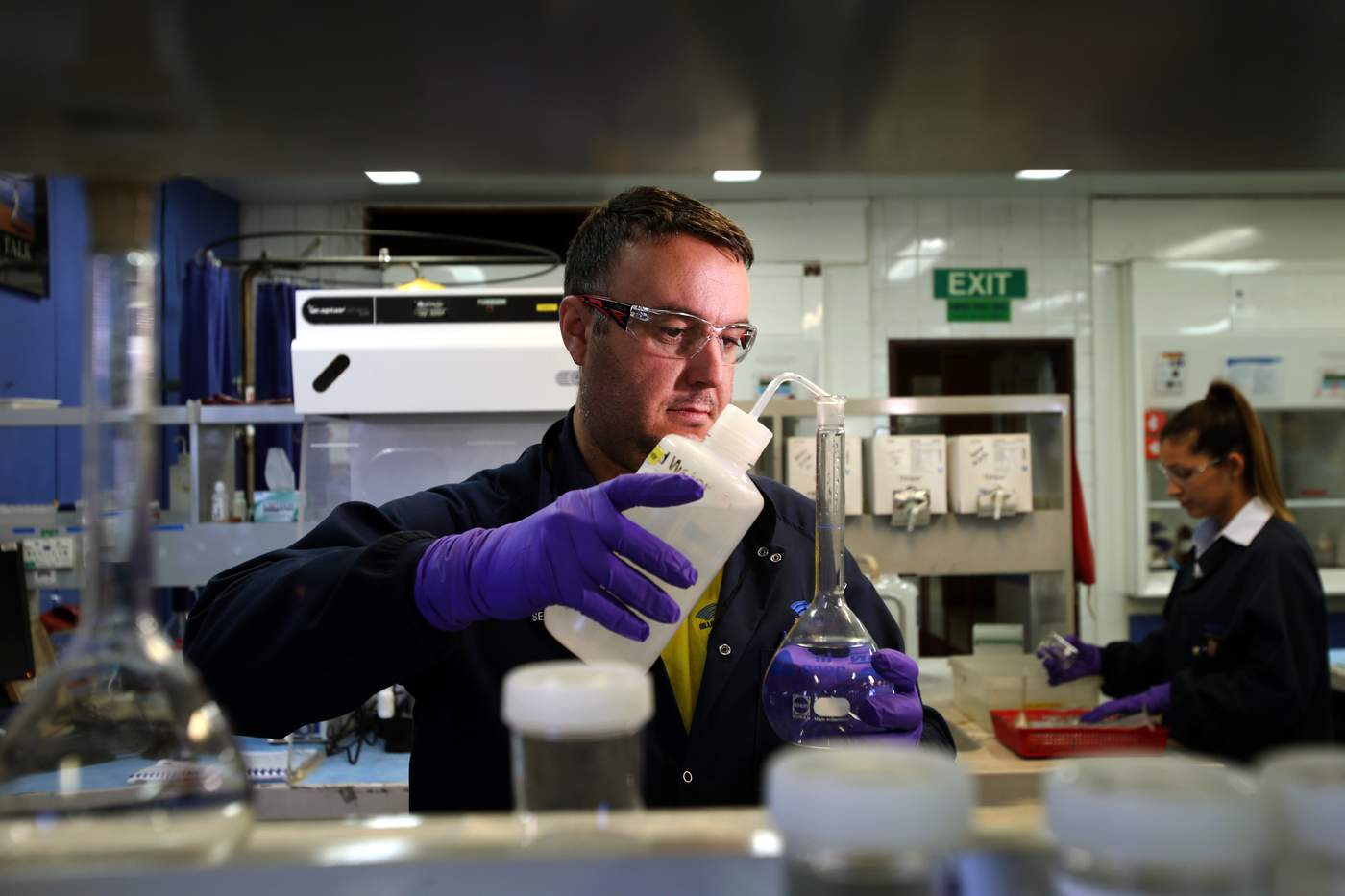
Sean Cutajar conducting a test to see how much ammonia is in a sample.
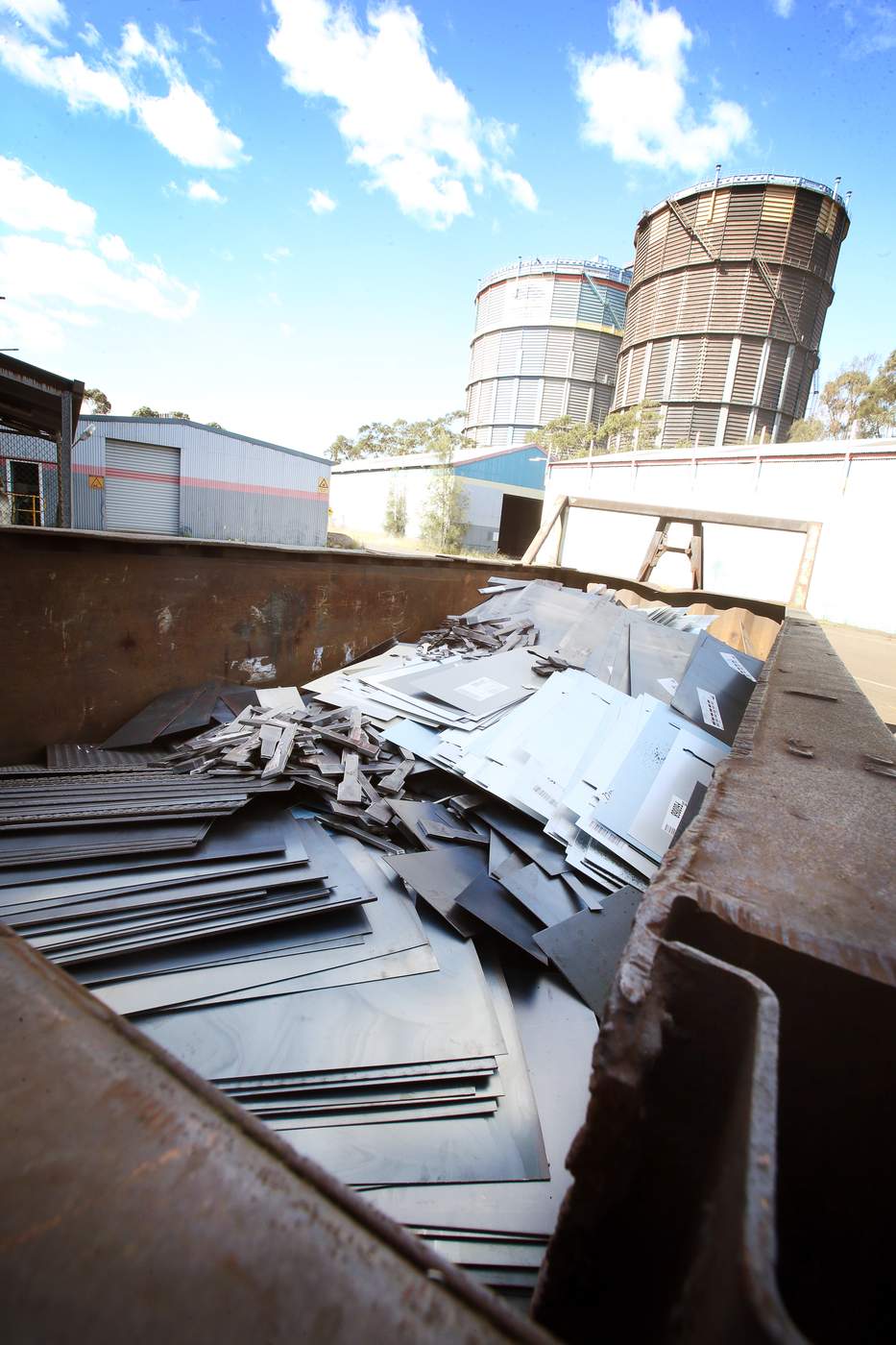
Outside one of the laboratories at BlueScope there’s a skip bin.

It’s a skip bin that gives a good indication of just how often the steel manufactured on site gets tested.

Pieces of metal from every stage in the steelmaking process are sent to the mechanical testing lab to be pounded, torn apart and perhaps destroyed in other ways to test its breaking point.

The steel will never survive the machines inside - and it’s not supposed to either.

The tests are measuring the tolerances of the steel and ensuring it’s as strong as it’s supposed to be.

Once the testing is done, the samples are thrown in the skip out the back.

It gets filled every fortnight - and a full skip equates to roughly 10 tonnes of steel.

The unwanted samples aren’t thrown out in a giant recycling bin.

Instead they get used as the scrap metal component of steelmaking at the BOS to have another go round.

Except for the piece I swiped from the skip - just as a souvenir, of course.

The skip full of steel samples that have been tested. It is filled every fortnight and the scrap is then thrown into the BOS to make more steel.
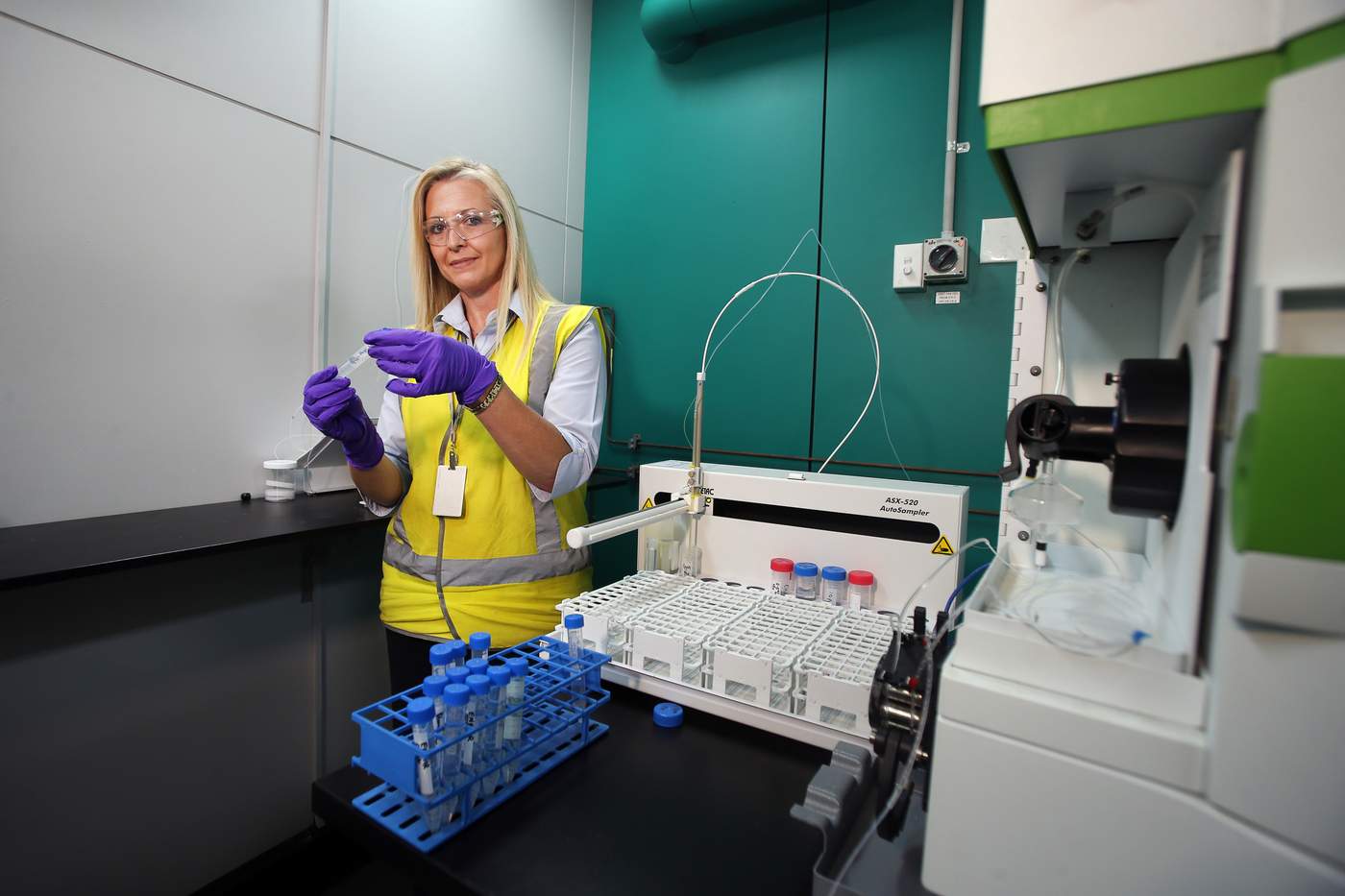
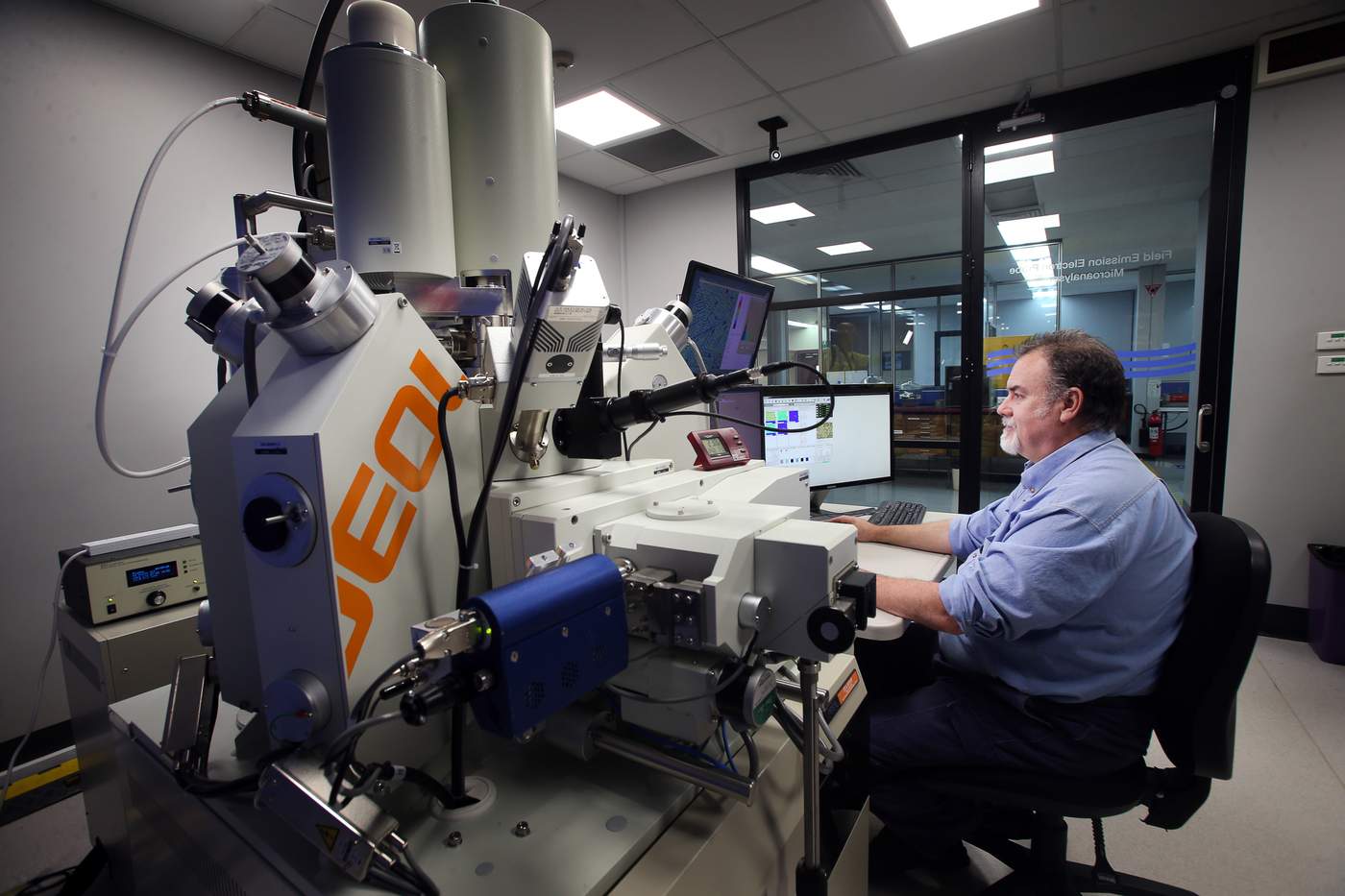
Nina Oosthuizen - section leader of analytical chemistry and air quality checks out a sample.
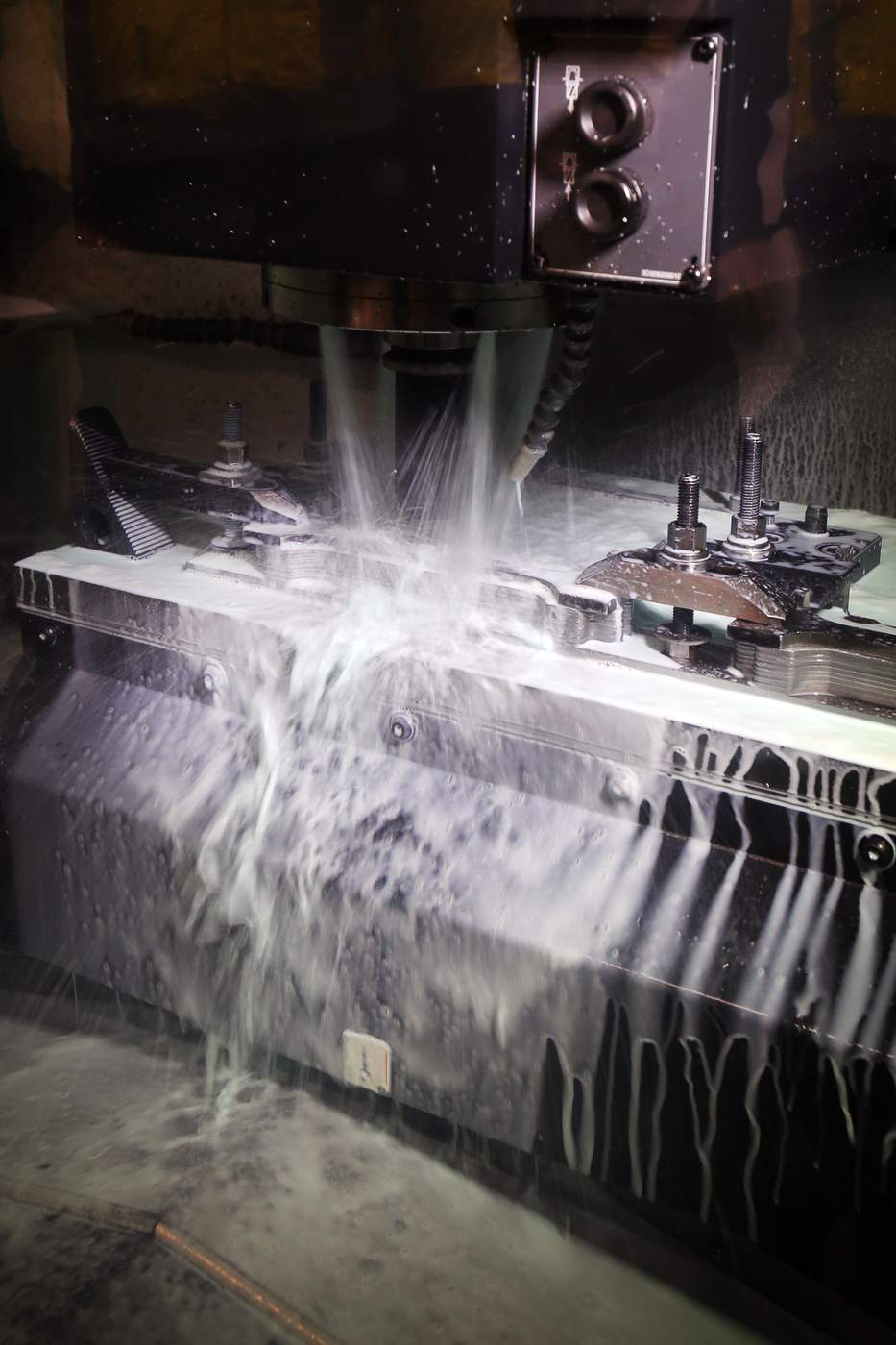
The mechanical testing labs include a range of machines that shape the samples so they’ll fit into the testers.

One of those testers is the pendulum test, which measures the force a swinging pendulum requires to break the sample.

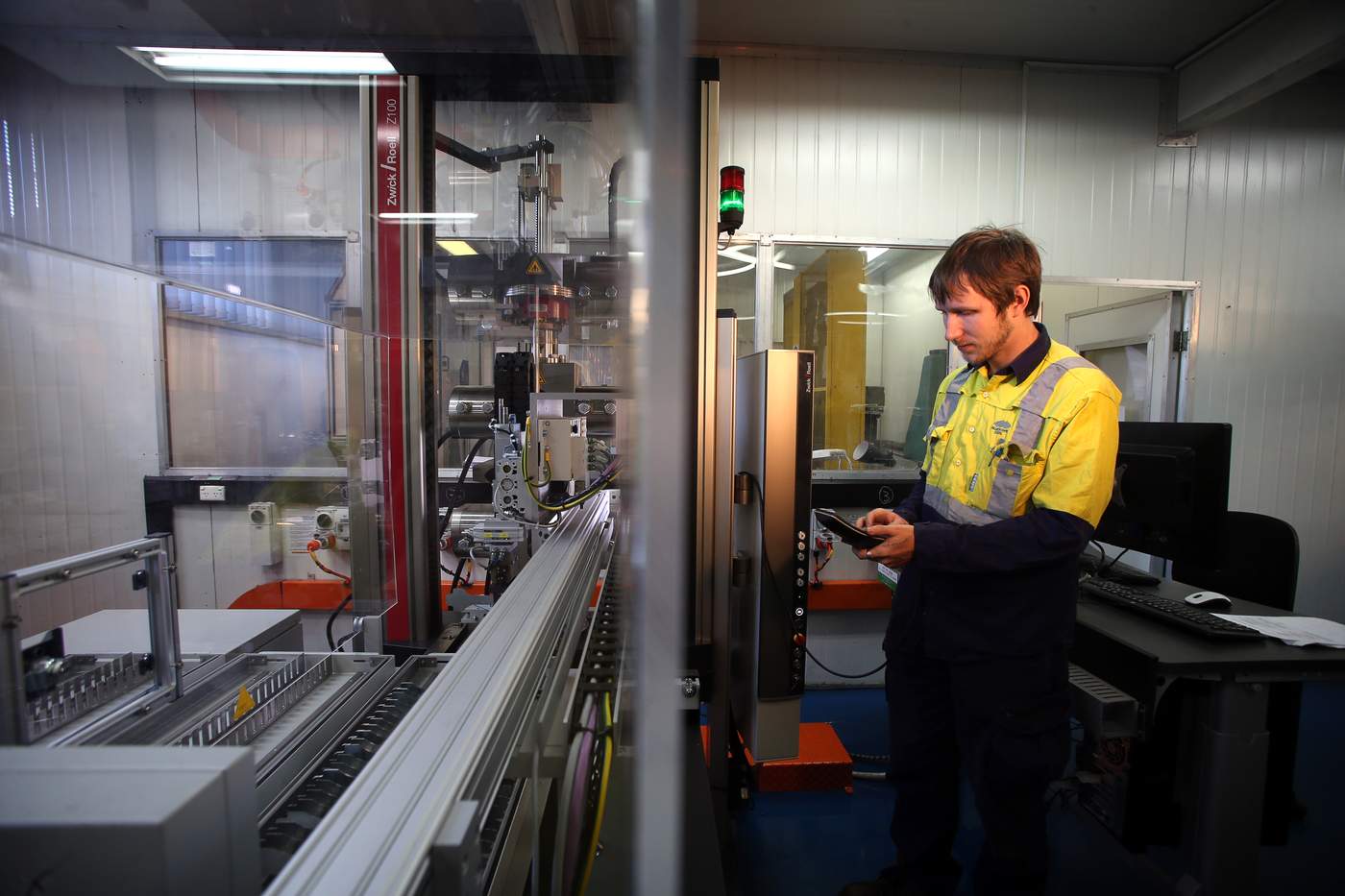
Another tester grabs a long, thin sample at either end and stretches it until it breaks (yes, steel does stretch).

That machine is likely the only automated tester of its kind in the country.

Destroying steel samples is just part of the work the laboratories at BlueScope do.

They also do a range of chemical tests on steel at various stages to ensure that the range of materials being used are at their required levels, as well as the gases used to power some of the plants.

The labs are also responsible for the water and air testing required by the Environment Protection Authority (EPA).

There are 30 people working in the environmental section of the lab, some of whom take regular water samples from a number of drains around the BlueScope - all determined by the EPA.

Others have the job of climbing the stairs - or using a cherry picker - to get testing samples from any one of the 72 stacks on the site.

The environmental testing alone occupies a fair bit of time.

Not only does it have to be done regularly, there are a lot of tests to be done on each sample

In a room in the labs sits storage boxes allocated to each location - they all hold 12 or 13 different sized bottles, each denoting a different test that is being carried out.

All-up, the lab staff carry out around 5000 tests every month, which tends to keep them pretty busy.

Which is why you can say working in the labs at BlueScope really is a testing time.

A machine in the mechanical testing labs shaping a steel sample so it will fit into a testing machine. The liquid is essentially coolant to control the temperature of the steel while it is being cut.
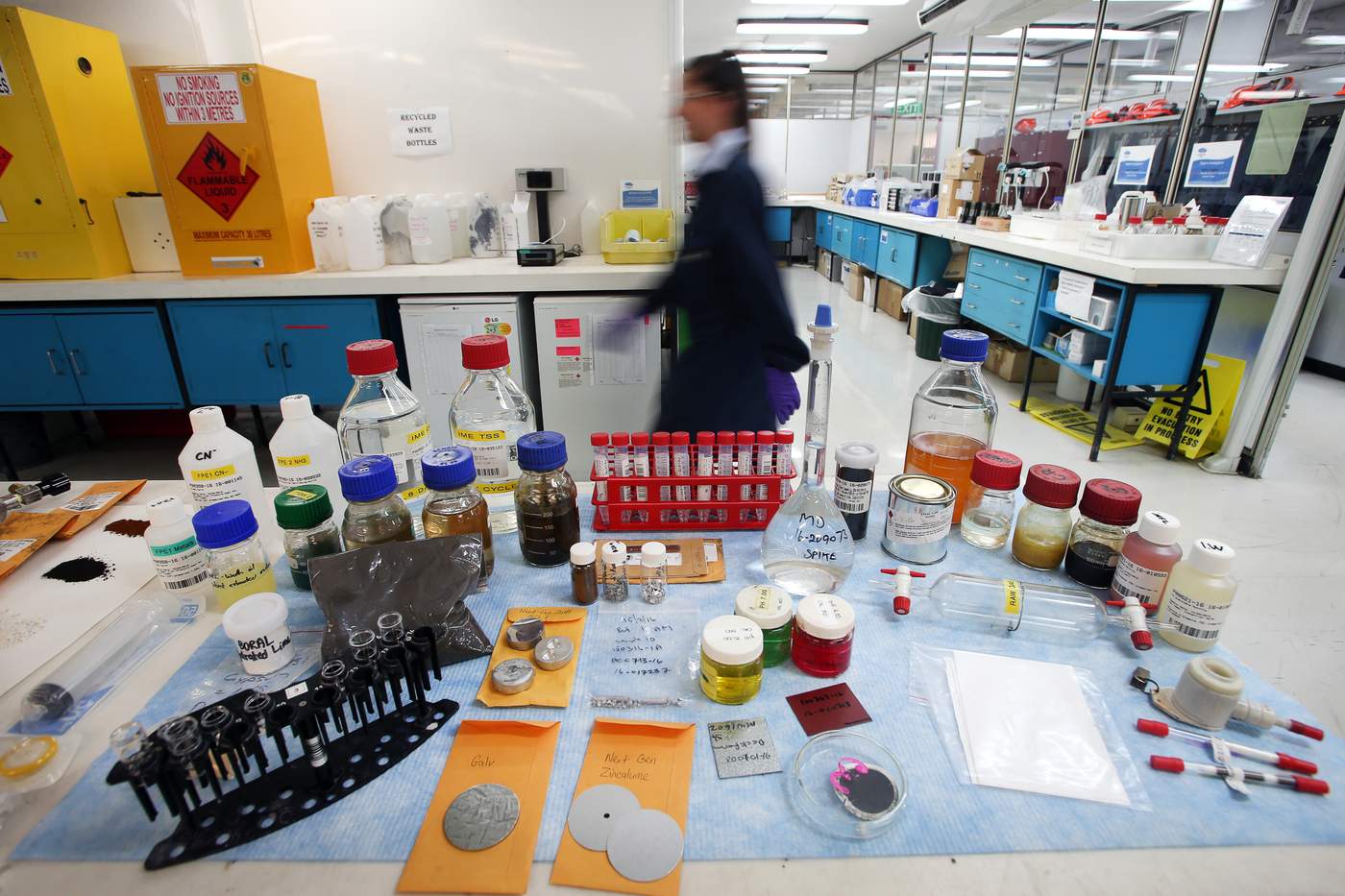
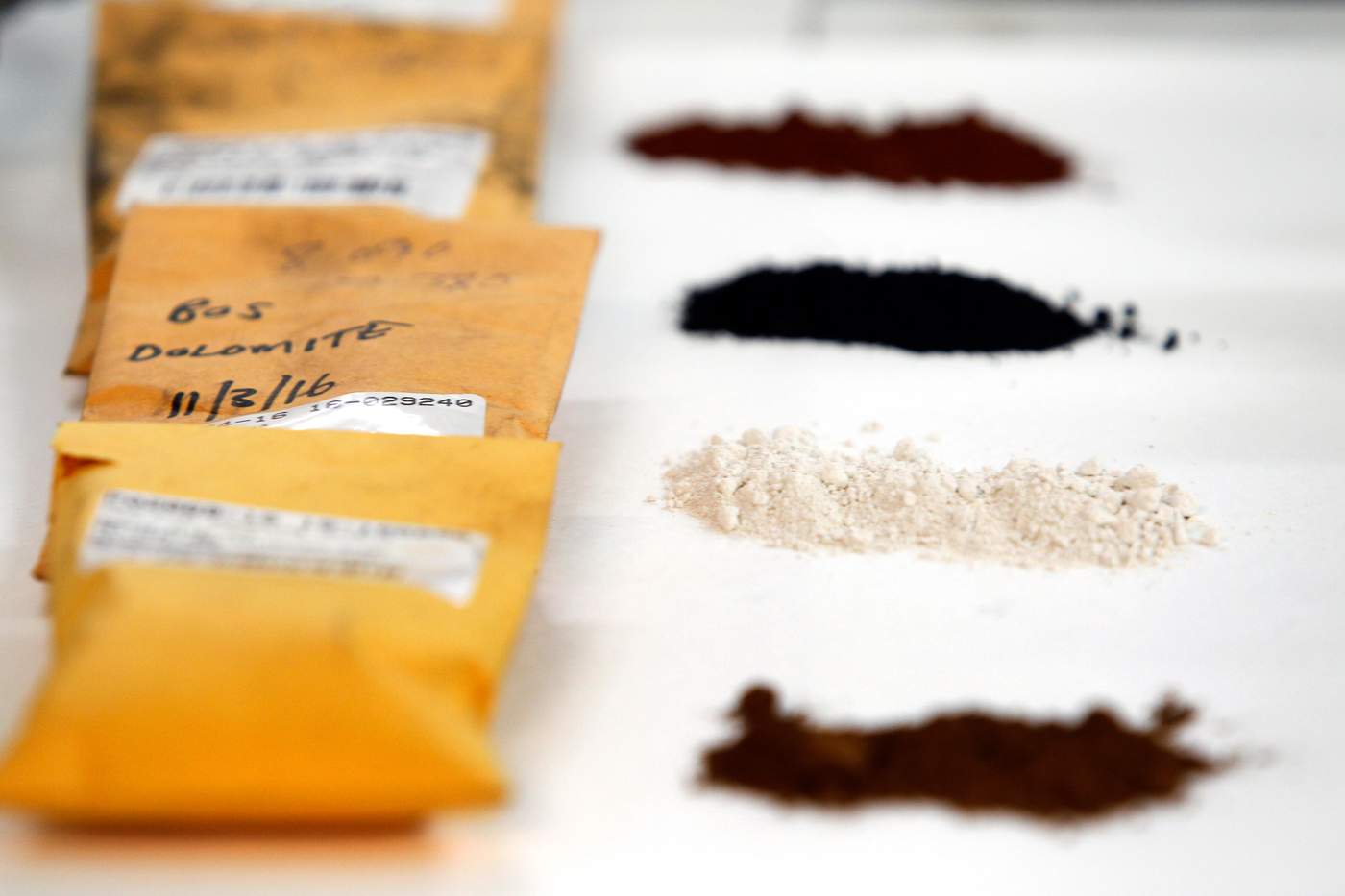
Samples of the raw materials that go into steelmaking are tested to ensure they're up to scratch.
Senior metallurgist Les Moore.
Ralph Mathiessen operations leader at the Mechanical Testing Laboratory at BlueScope with the machine that tests tolerance of steel samples
Next Week: The plate mill