Taking a closer look
Amir Khankeshipour's story: From Iran to Tasmania

Launienders. That’s the name Amir Khankeshipour has given Launceston locals since moving to the city in 2010 from Iran.
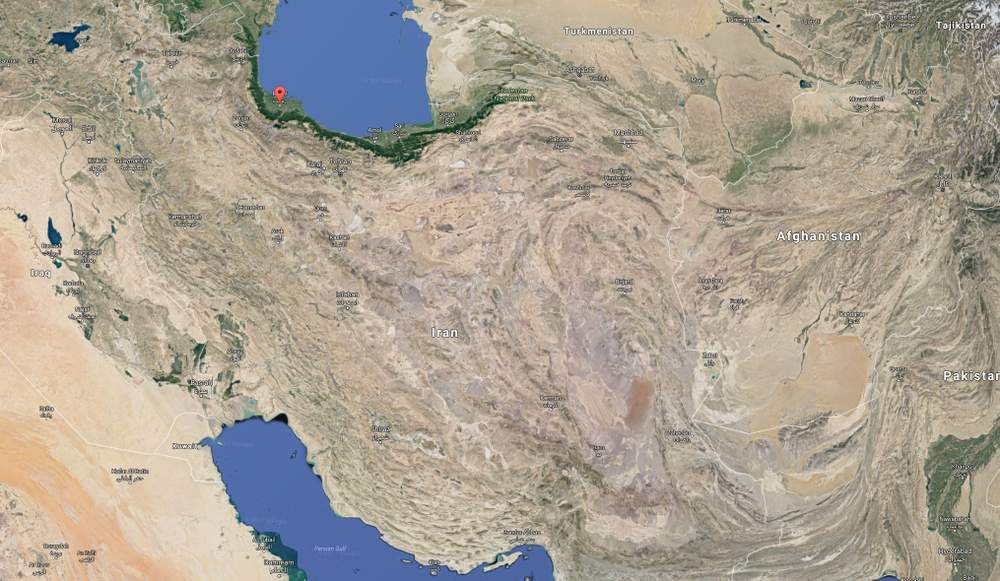
Iran is a muslim-majority country between the Persian Gulf and Caspian sea, wedged between Iraq and Afghanistan.
It is a country about which there are many misconceptions Amir said.
It is like a small version of Australia, he said, with beaches, forests and deserts.
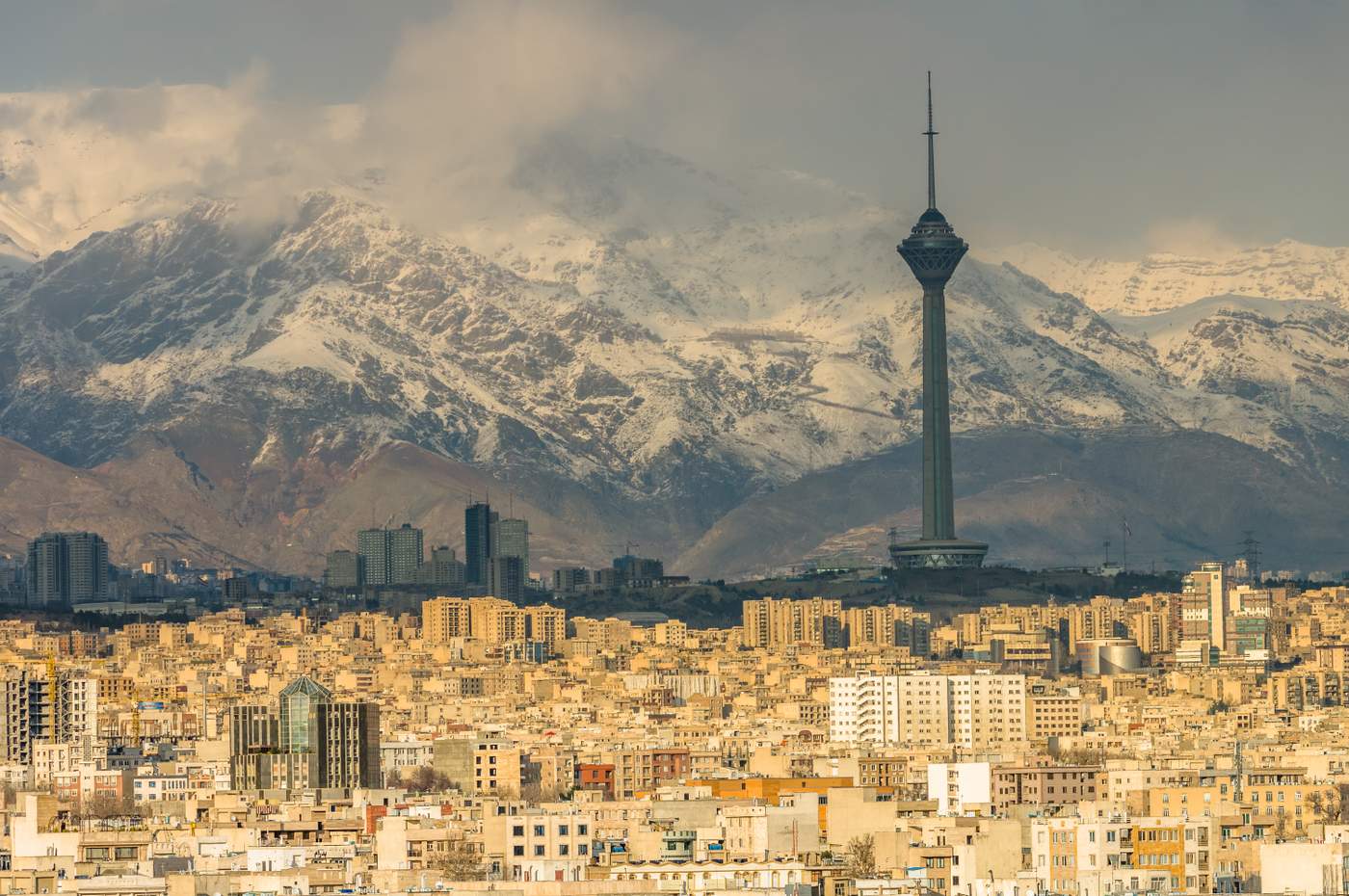
“My home town is known as the city of rains,” Amir said of his hometown Rasht.
“It’s a very beautiful town.
“In summer we have a weather like Brisbane, hot and humid, whereas in winter we got snowfall three, four times.
“When someone asks me about Iran I always say, ‘With less than one hours flight you can go and do skiing, and then with one-and-a-half hour flight you can go to the hottest point on the earth, and then with two and a half, two hour flight you can go and be exploring the deep forest in the north of Iran.”
But it is about the social stability that the greatest misconceptions are held, Amir said.
“Many people think Iran, because it is located in the Middle East, it’s a terrible place, ‘There’s a civil war happening in Iran and it’s not a safe place’ and these sort of things, actually I tell you a completely different story because that is not my experience,” Amir said.
“Living in Iran my life was completely normal, a normal life like an Australian child - I went to school and I grew up in a city.
Amir said when people hear he is from Iran he has been asked, ‘Are you Safe here?’, assuming he must have escaped persecution.
Often he finds people have an expectation of who he should be, based entirely on where he comes from.
“In some cases actually it can be offensive,” he said.
“If people, especially Launienders, if they know the level of education of Iranian people in Launceston they will definitely have an opposite idea about Iran.
“Most of the Iranians who live in Launceston, they are either PhD students, university lecturers, or they are very highly educated people.
“If a country is in a deep problem, [like] all the things that they think is happening in Iran, we wouldn’t have that number of highly educated people in Launceston.”
Amir himself came to Launceston seven years ago to undertake post-graduate study in the field of medicine.
He now mainly works as a translator for Afghan refugees in the community.
Amir agreed it is frustrating that because some countries in the middle east are regions of conflict and terror, this is often generalised to the entire region and people don’t take the time to understand the region.
“It comes from, I think, the media; the impact of media that generalise and some people ... take their thoughts or reports as something absolutely true and they dont think further,” he said.
“When someone tells me, ‘I am from Argentina’, I don’t quickly judge them like, ‘Okay, he or she is from South America and I've heard these sort of things [about] South America so this person has got these qualities’.”
Amir understands not everyone can spend time researching different countries and cultures, but hopes for more thoughtfulness.
“In all communities you have people of different level of understanding or thoughtfulness, so there is no ideal community, country, city,” he said.
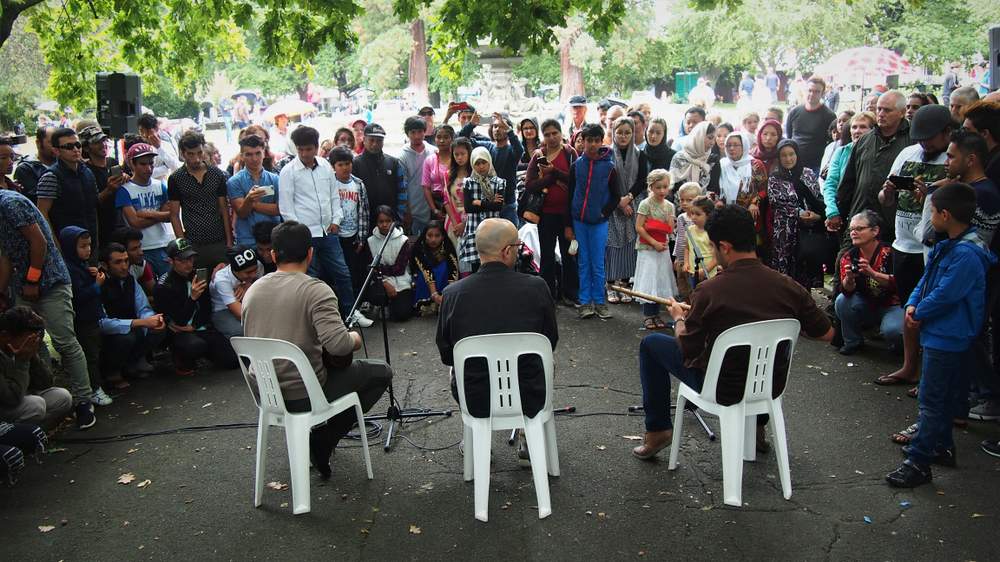
Amir in a trio sharing traditional Persian music at Harmony Day celebrations.
“But the thing is, we have to work together to give a better understanding of different cultures.
“I want to ask people to be more serious about what is happening around the world and be more thoughtful about anything they hear and be critical, think critically [about what] they hear.”
For Amir, he has two homes; Tasmania and Iran.
“Definitely two homes, any time I go to Iran I miss Launceston, but I can cope with missing Iran better than missing Launceston,” he said.
“When you have a life … you feel, [have] a feeling of belonging through the society and the people and the streets.
“[Launceston] is a very quiet and cosy city and the people are very lovely, honestly.”